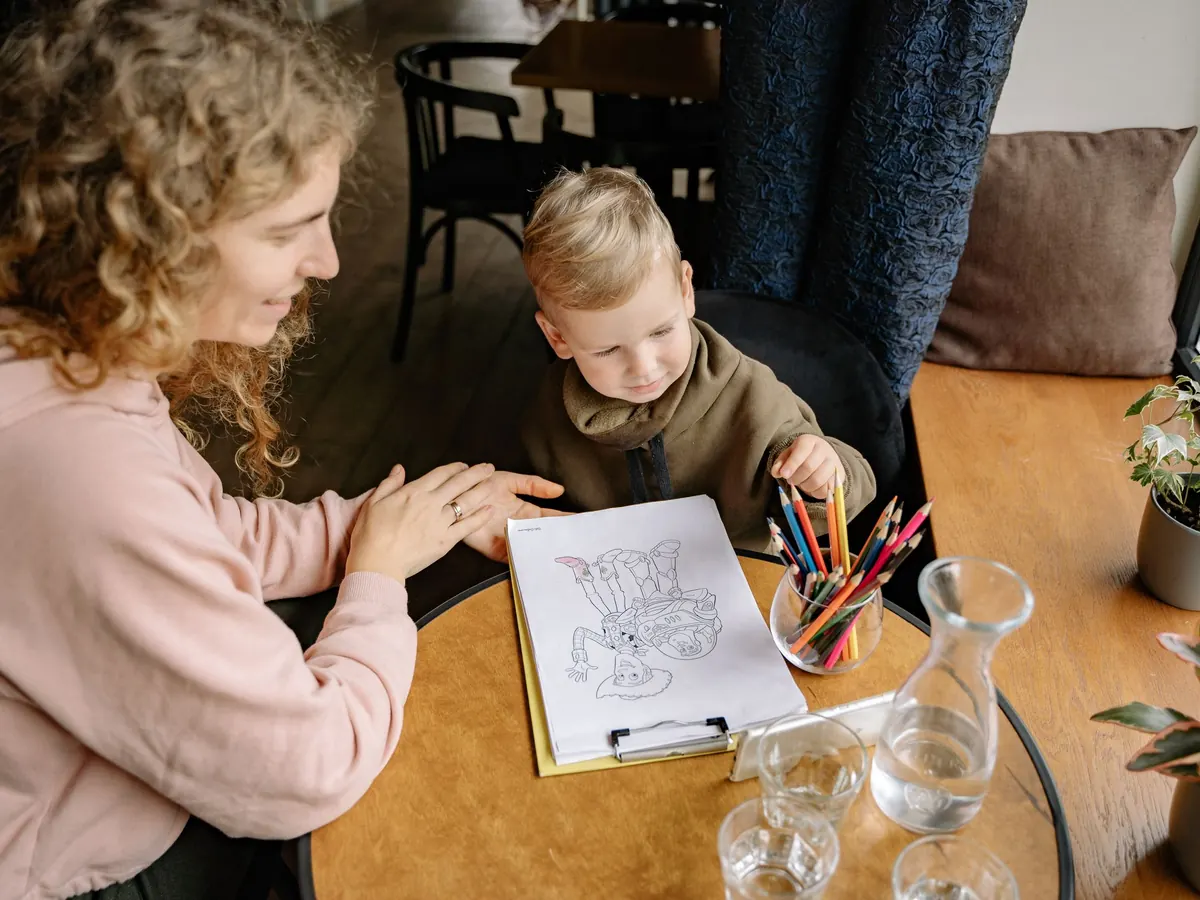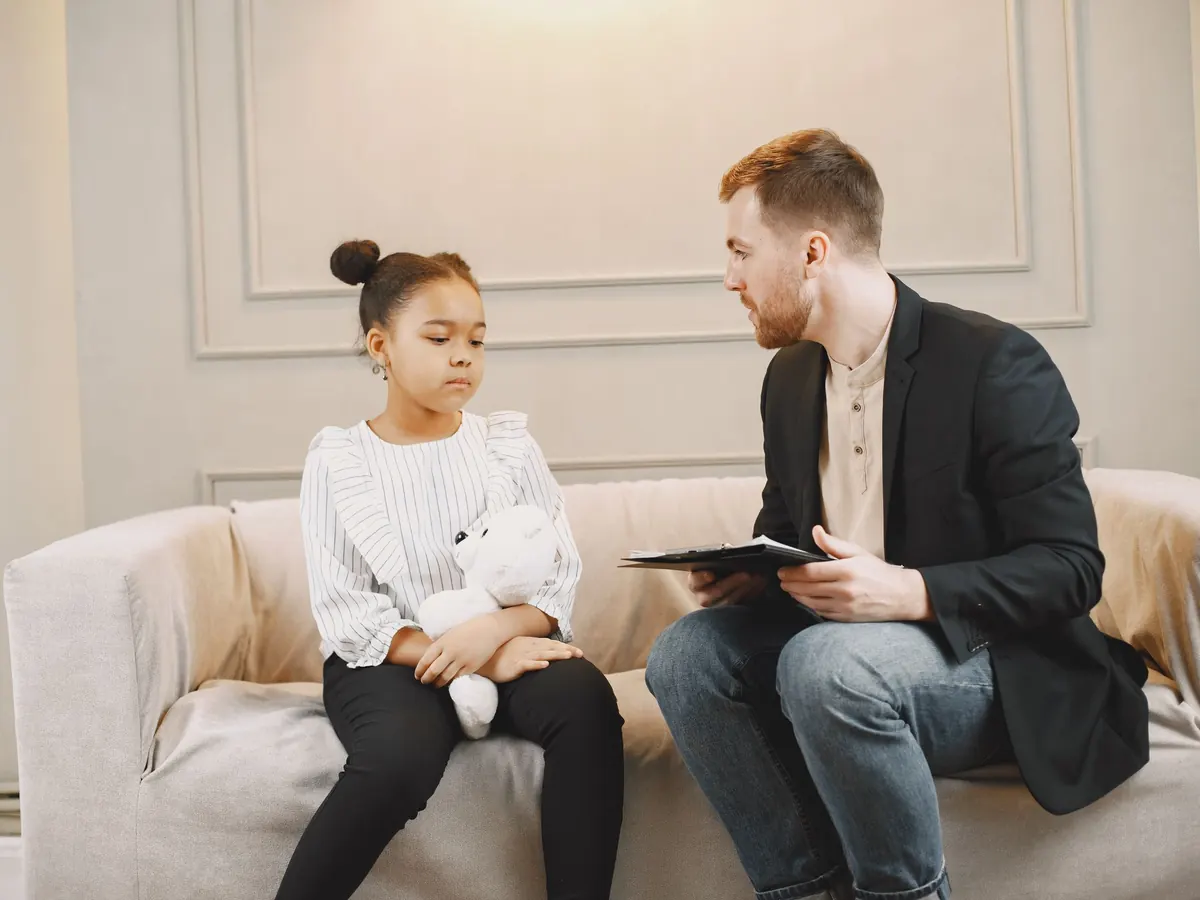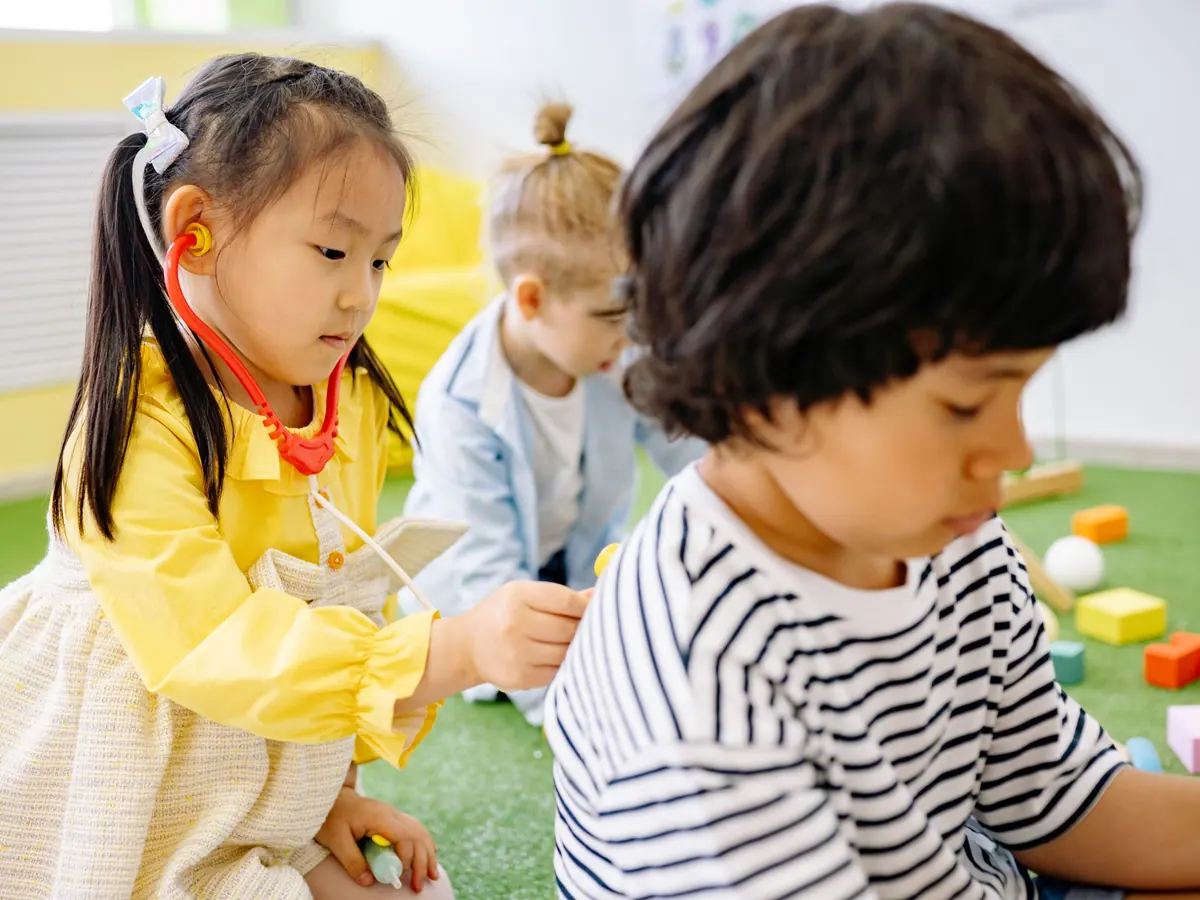
A child’s “occupation” is playing, learning, eating, dressing, sleeping and getting along with others. Occupational therapy helps when any of those becomes hard for motor, sensory or organizational reasons.
OT isn’t physical therapy
Physical therapy focuses on movement and strength. Occupational therapy uses movement too, but its goal is function: buttoning a shirt, holding a pencil, coping with classroom noise or sitting down for a family meal.
What sensory integration is
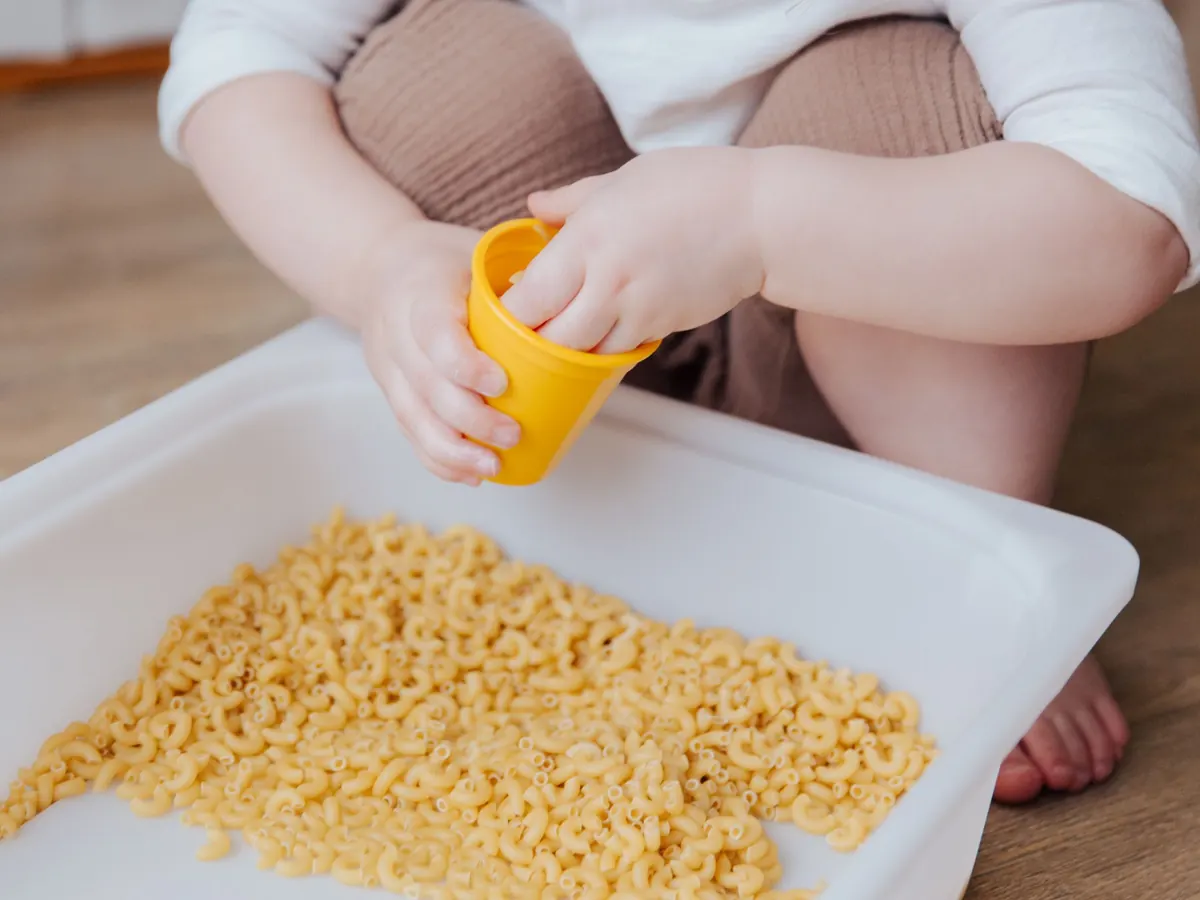
It’s how the brain organizes what it senses. Some children over-react (covering their ears, rejecting textures) and others under-react (seeking bumps, spinning, constant movement). OT with a sensory approach helps them self-regulate.
What a session looks like
- Obstacle courses with swings, mats, textures and balance.
- Fine motor games: play dough, tweezers, threading, cutting.
- Self-care practice: dressing, eating, grooming.
- A wrap-up with recommendations for the family.
Activities for home
- Pushing and carrying games (boxes, wagons) to organize the body.
- Play dough, dough and clothespins to strengthen the hands.
- Visual schedules to anticipate the day’s changes.
- Outdoor time: climbing, jumping, swinging.
The information on this page is for guidance and does not replace a professional assessment. Every child is different: diagnosis and plan are defined after an evaluation.