Child neuropsychological evaluation: understand before you intervene
Before any therapy, you need to know what is going on. We do a complete assessment—with the family, the school and your child—and give you a clear diagnosis with treatment recommendations.
How we help
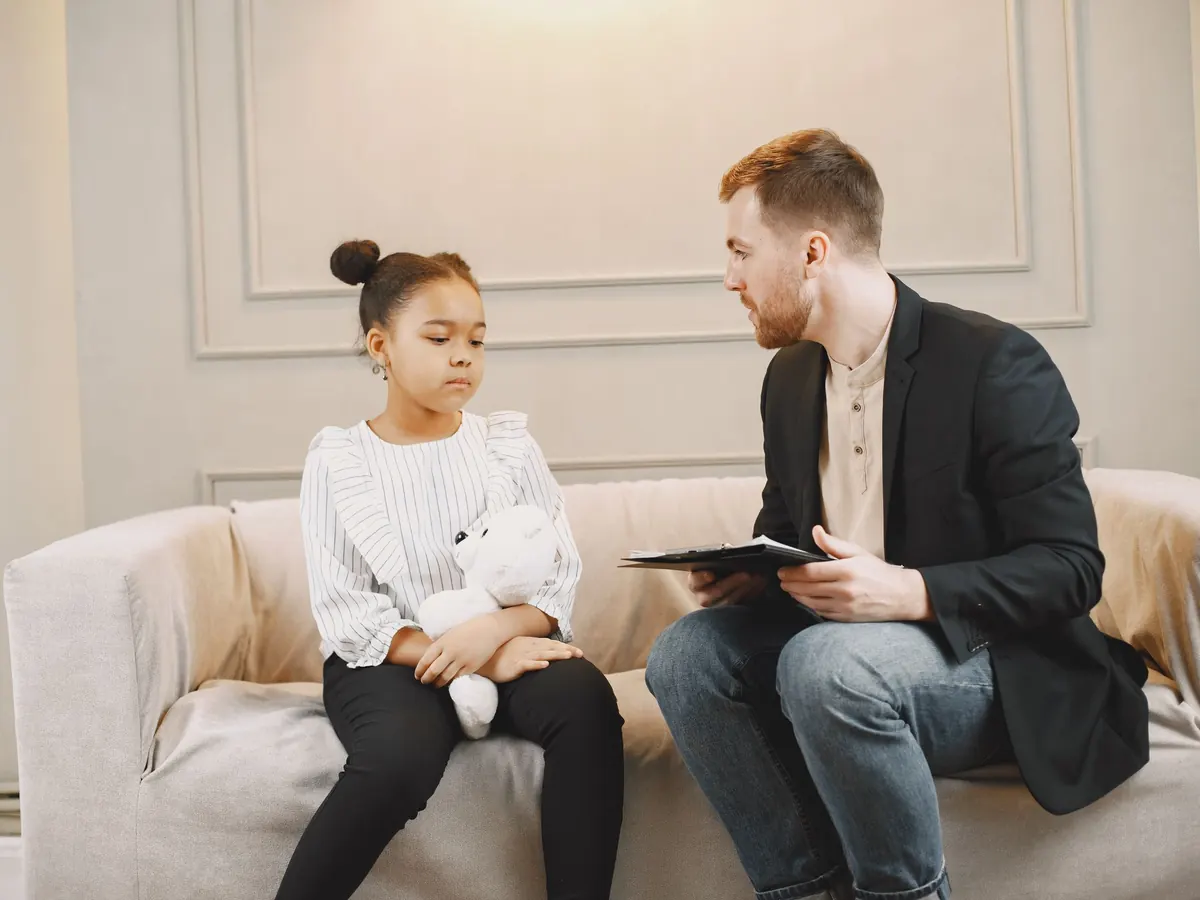
Evaluation is the first phase of our model. We gather information from three sources: interviews with parents and teachers, direct observation of the child at school, and a battery of standardized tests measuring attention, memory, language, executive function, learning and behavior.
The team then integrates a diagnosis and explains it to the family in a feedback session: what we found, your child’s strengths, which areas need support and which therapies we recommend. If you wish, the report is shared with the school so everyone works in the same direction.
It can help if your child…
- Children who are not progressing at school as expected
- Suspected ADHD, autism or a language disorder
- Behavior that worries you at home or in class
- Schools that need a diagnosis to make accommodations
- Families looking for a second opinion
How we work
Intake interview
We listen to the family: developmental history, health, school and your main concerns.
School observation
We see the child in class and talk with teachers, because much of what matters doesn’t show up in an office.
Standardized testing
We use the battery that fits the child’s age and the reason for referral, over several short sessions.
Diagnosis and plan
A feedback session with a written report, suggestions for home and school, and a treatment plan.
What it’s often paired with
Child neuropsychologist in Tijuana
Neuropsychology studies the link between the brain and behavior: how a child pays attention, remembers, organizes, talks and learns.
Read the guideCommon questions
How long does the evaluation take?
It depends on age and the reason for referral. It is usually completed over several sessions across two to four weeks, including the school observation and the feedback session.
From what age can a child be evaluated?
We assess from early childhood. With very young children the focus is on language, motor development and social interaction; from school age on we add attention, memory and learning.
Is the evaluation useful for the school?
Yes. The report describes the student’s needs and suggests accommodations the school can apply. With your permission, we share it and walk the teachers through it.
You may also be interested in
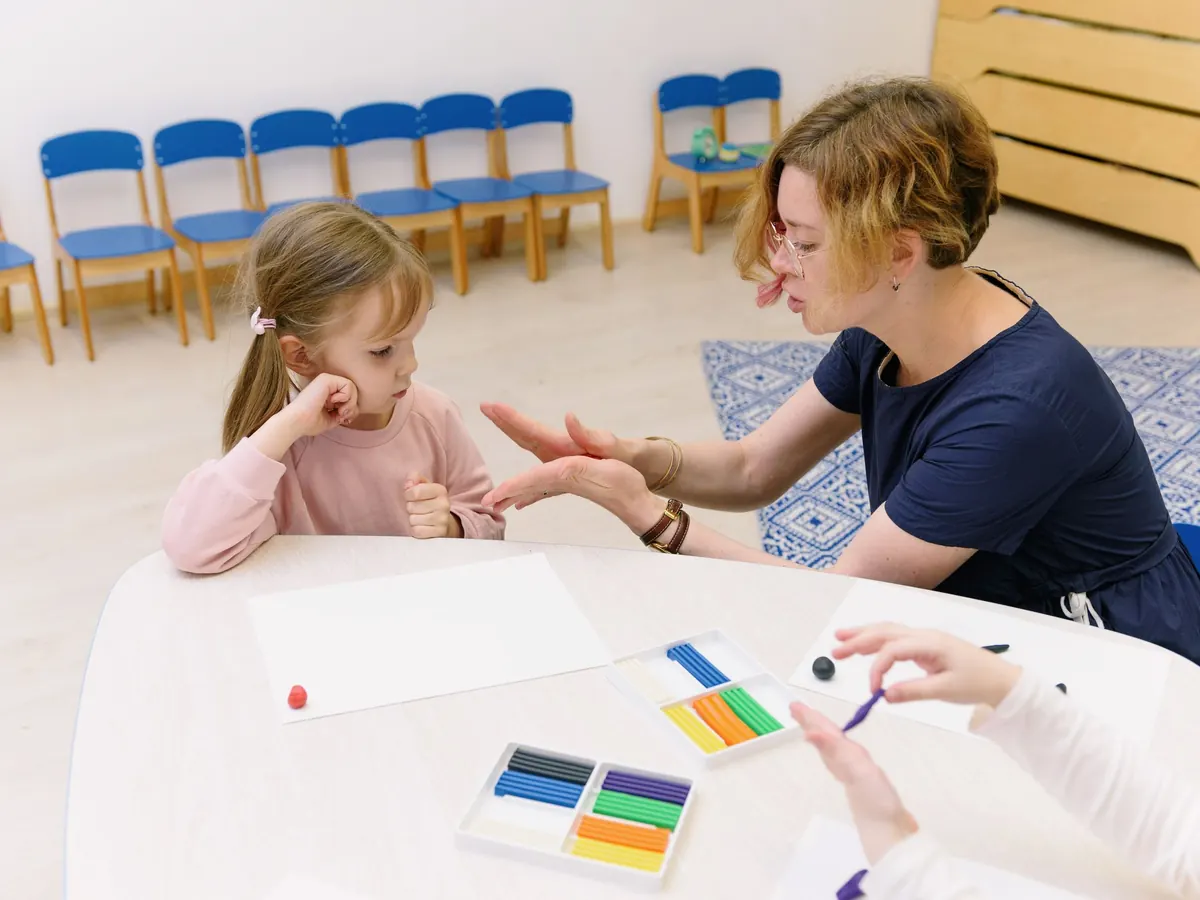
Speech and language therapy
Our speech-language therapists work on speech, language and learning difficulties so every child can express…
Learn more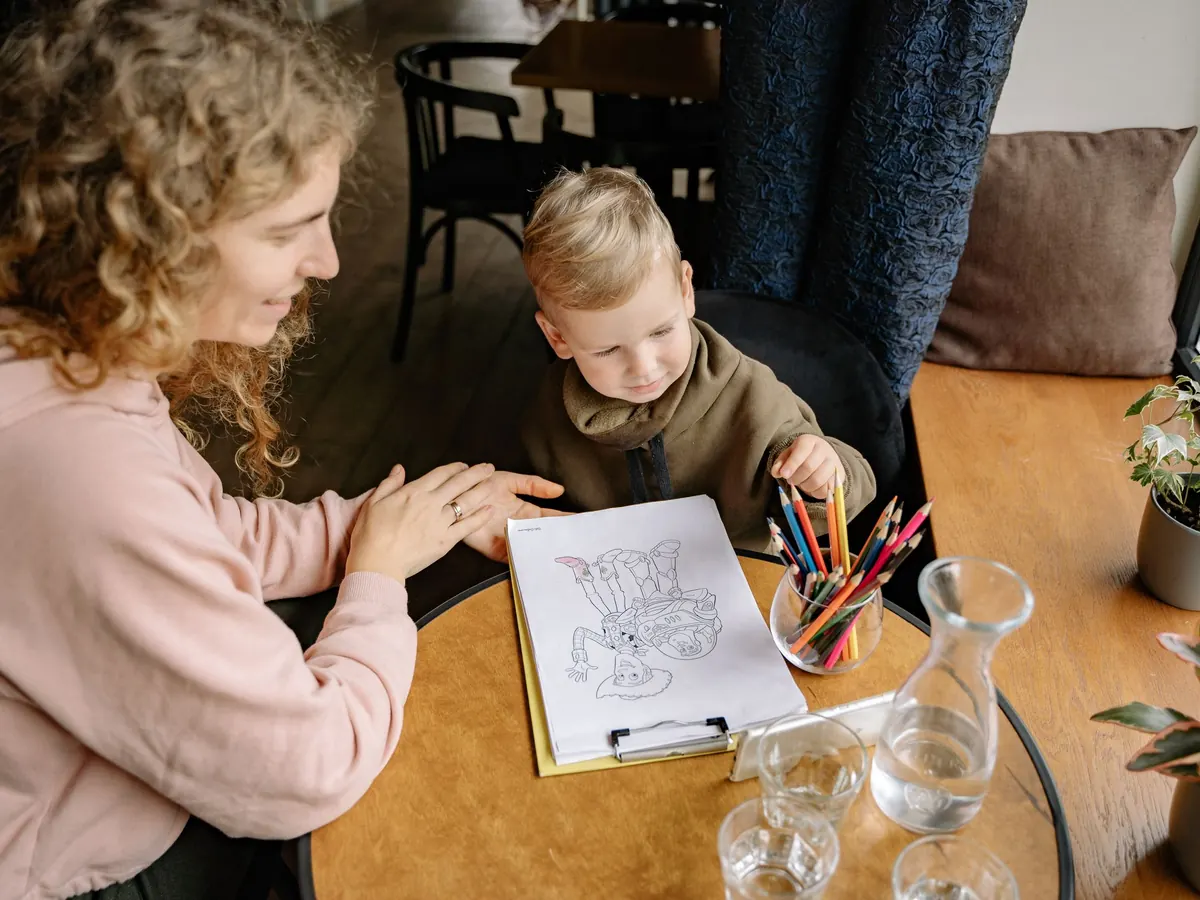
Occupational therapy
Getting dressed, eating, holding a pencil, coping with noise or textures, playing with others: occupational therapy…
Learn more
Behavioral therapy
Difficult behavior almost always communicates something. We find what triggers it and teach the child—and the adults…
Learn moreBook an assessment or a visit
Call us, send a WhatsApp message or leave your details: we’ll get back to you to book and answer your questions.
- Phone+52 (664) 210 3920
- WhatsApp · therapy(664) 483 7061
- WhatsApp · school(664) 822 1110