Behavioral therapy: less conflict, more tools
Difficult behavior almost always communicates something. We find what triggers it and teach the child—and the adults around them—new ways to respond.

How we help
Behavioral therapy starts with observation: when the behavior happens, what comes right before it and what the child gets from it. With that, we design a plan to reduce what causes problems and reinforce what we want to see more of, like waiting your turn, asking for help or accepting a “no.”
Children don’t change alone. Therapy includes parents and the school: we agree on clear rules, consistent consequences and ways to recognize effort, so the same message is repeated everywhere.
It can help if your child…
- Frequent or very intense tantrums
- Impulsivity and trouble following rules
- Aggression or oppositional behavior
- Behavior problems reported by the school
- Difficulty with routines, transitions or sleep
How we work
Behavior analysis
We record what happens, when and why, at home and at school.
A plan with goals
We pick a few target behaviors that are clear and measurable.
Sessions with the child
We teach self-control, waiting, frustration tolerance and alternatives to the behavior.
Parent and teacher coaching
We agree on rules, routines and reinforcement everyone applies the same way.
ADHD testing in Tijuana
A restless child doesn’t necessarily have ADHD, and a calm one might.
Read the guideCommon questions
Is behavioral therapy about punishment?
No. It is mainly about teaching and reinforcing positive behavior. Limits exist, but always with alternatives and recognition.
When will we see changes?
Many families see first improvements once home and school apply the same rules. The pace depends on the child and on how consistent the adults are.
Do we need a diagnosis first?
Not always. If the behavior comes with other signs—attention, language, learning—we recommend an evaluation to address the underlying cause.
You may also be interested in
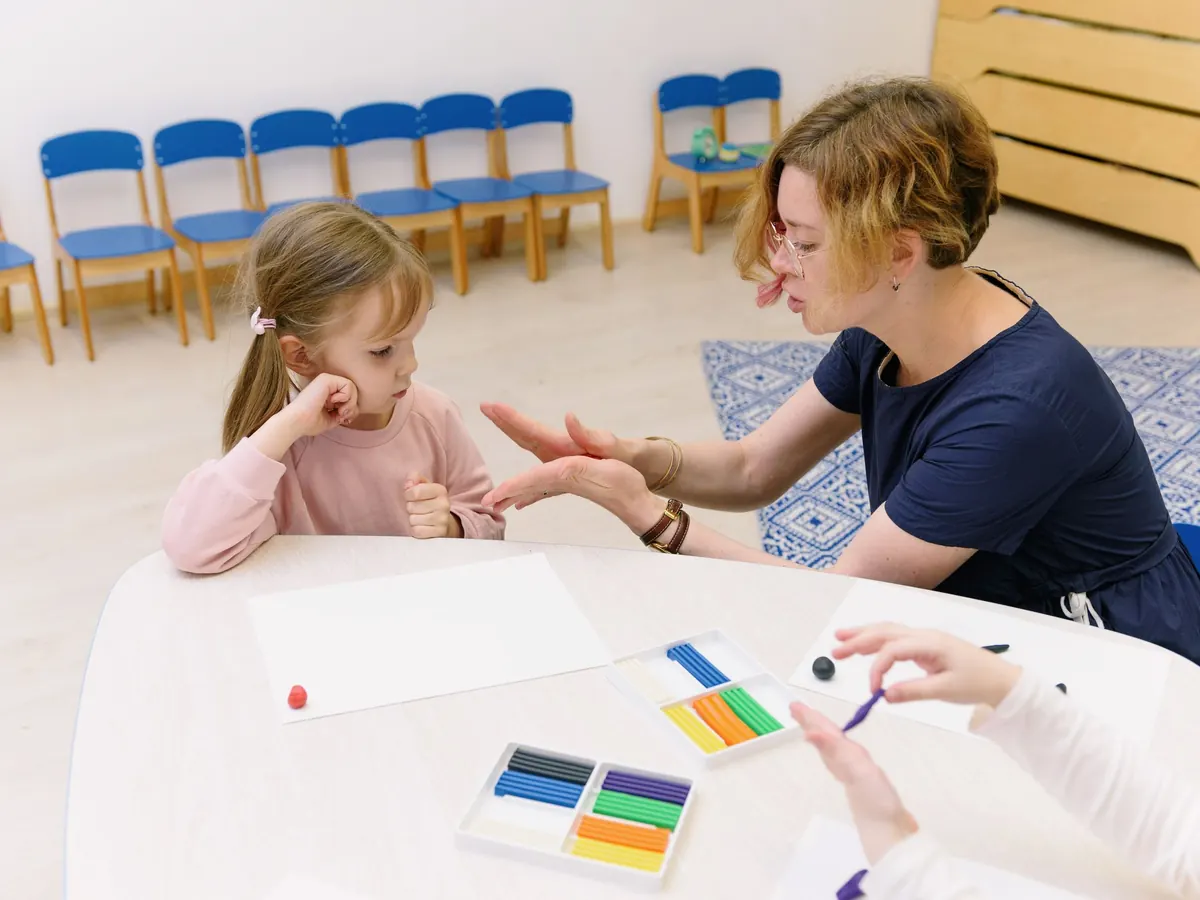
Speech and language therapy
Our speech-language therapists work on speech, language and learning difficulties so every child can express…
Learn more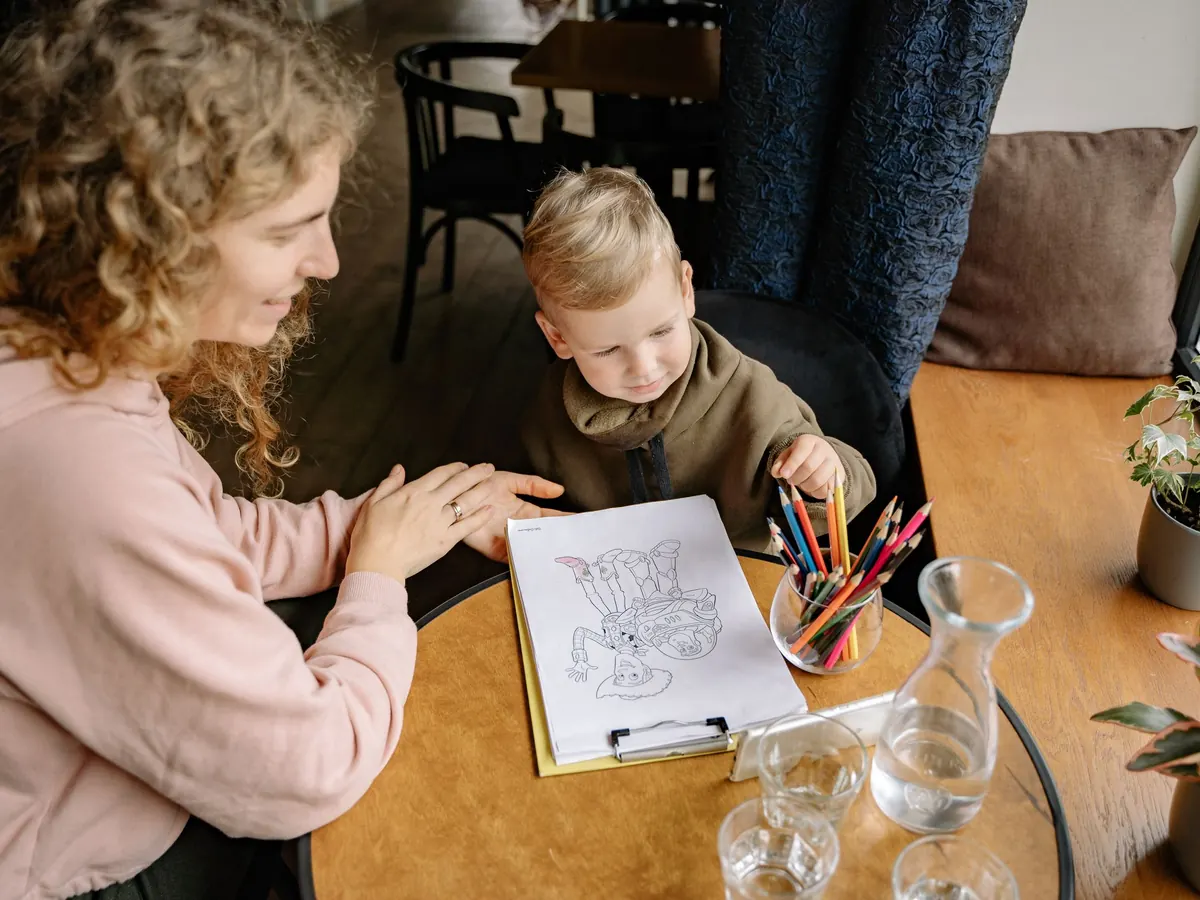
Occupational therapy
Getting dressed, eating, holding a pencil, coping with noise or textures, playing with others: occupational therapy…
Learn more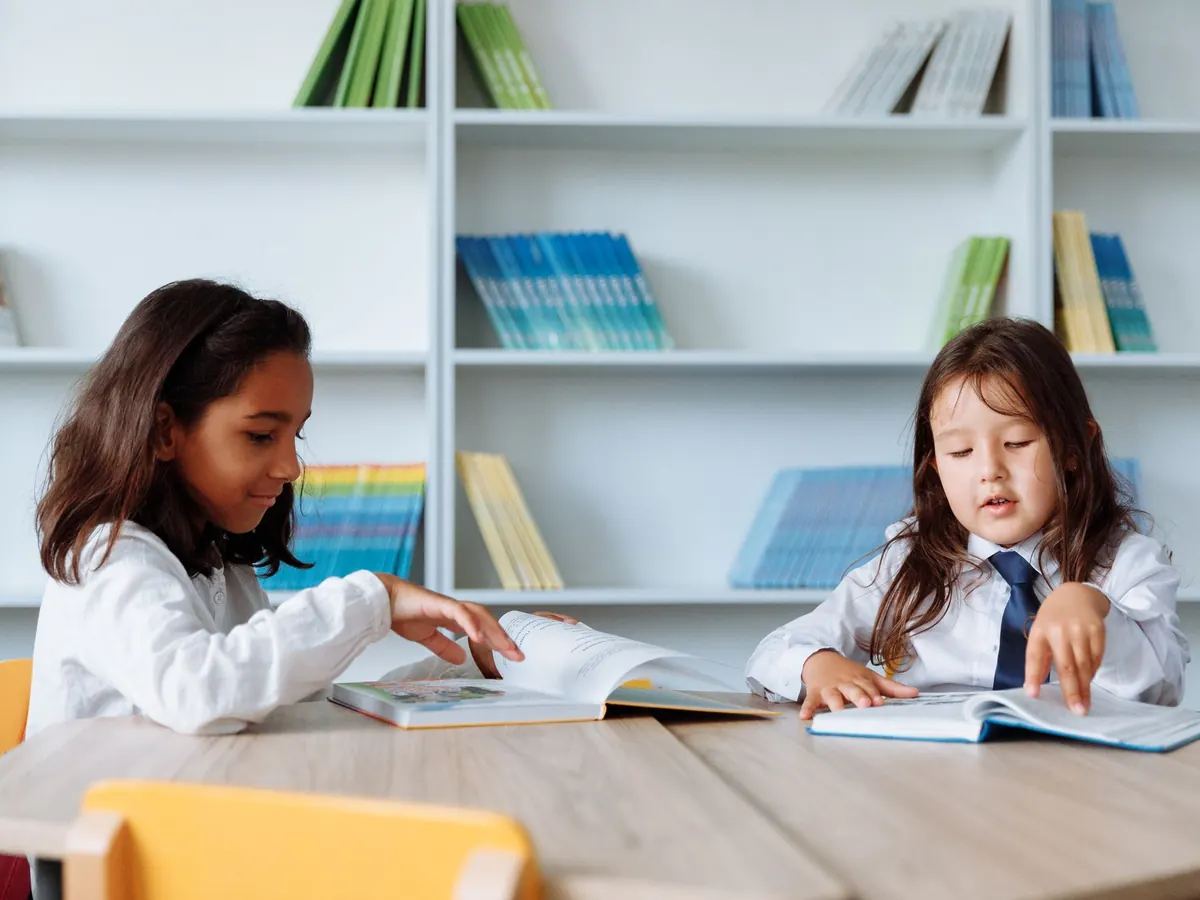
Learning therapy
When reading, writing or math is much harder than expected, it isn’t laziness.
Learn moreBook an assessment or a visit
Call us, send a WhatsApp message or leave your details: we’ll get back to you to book and answer your questions.
- Phone+52 (664) 210 3920
- WhatsApp · therapy(664) 483 7061
- WhatsApp · school(664) 822 1110