Parent training: the family is part of the treatment
No child moves forward alone. We give mothers, fathers and caregivers the information and tools to support their child at home.

How we help
Our model rests on a triple helix: school, family and professional guidance. Parent training is the part that strengthens the family: we explain what a diagnosis means, how it looks day to day and what you can do at home to make therapy go further.
Workshops combine clear information with practice: how to give instructions, set loving limits, organize routines, help with homework without fighting and care for the whole family’s emotional health, siblings included.
It can help if your child…
- Parents who have just received a diagnosis
- Families of children with ADHD, autism or learning difficulties
- Parents who want a calmer home
- Grandparents and caregivers involved in raising the child
How we work
Information
What the diagnosis is, what it isn’t and what to expect.
Tools
Routines, clear instructions, positive reinforcement and limits.
Practice
Real cases, questions and exercises for the week.
A support network
Meeting other families going through the same thing.
Neurodevelopmental center in Tijuana
If someone recommended a neurodevelopmental center for your child, it’s normal to have questions: what they do, how they differ from a private…
Read the guideCommon questions
Does my child need to be in therapy with you?
No. Parent training is open to any interested family.
Is it in person?
It takes place at the center. Ask about the dates of the next workshop cycle.
Can both parents attend?
We recommend it: when both apply the same strategies, change comes sooner.
You may also be interested in
Speech and language therapy
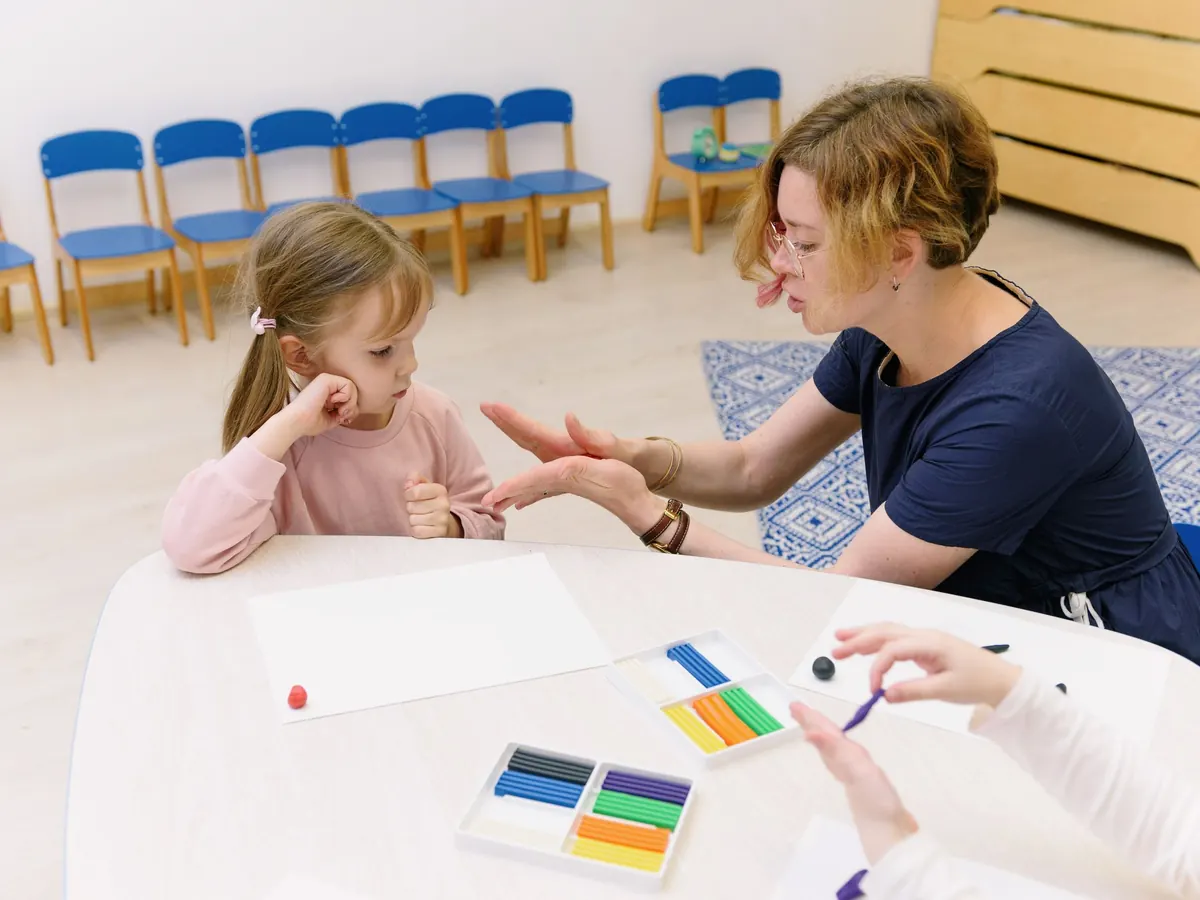
Our speech-language therapists work on speech, language and learning difficulties so every child can express…
Learn more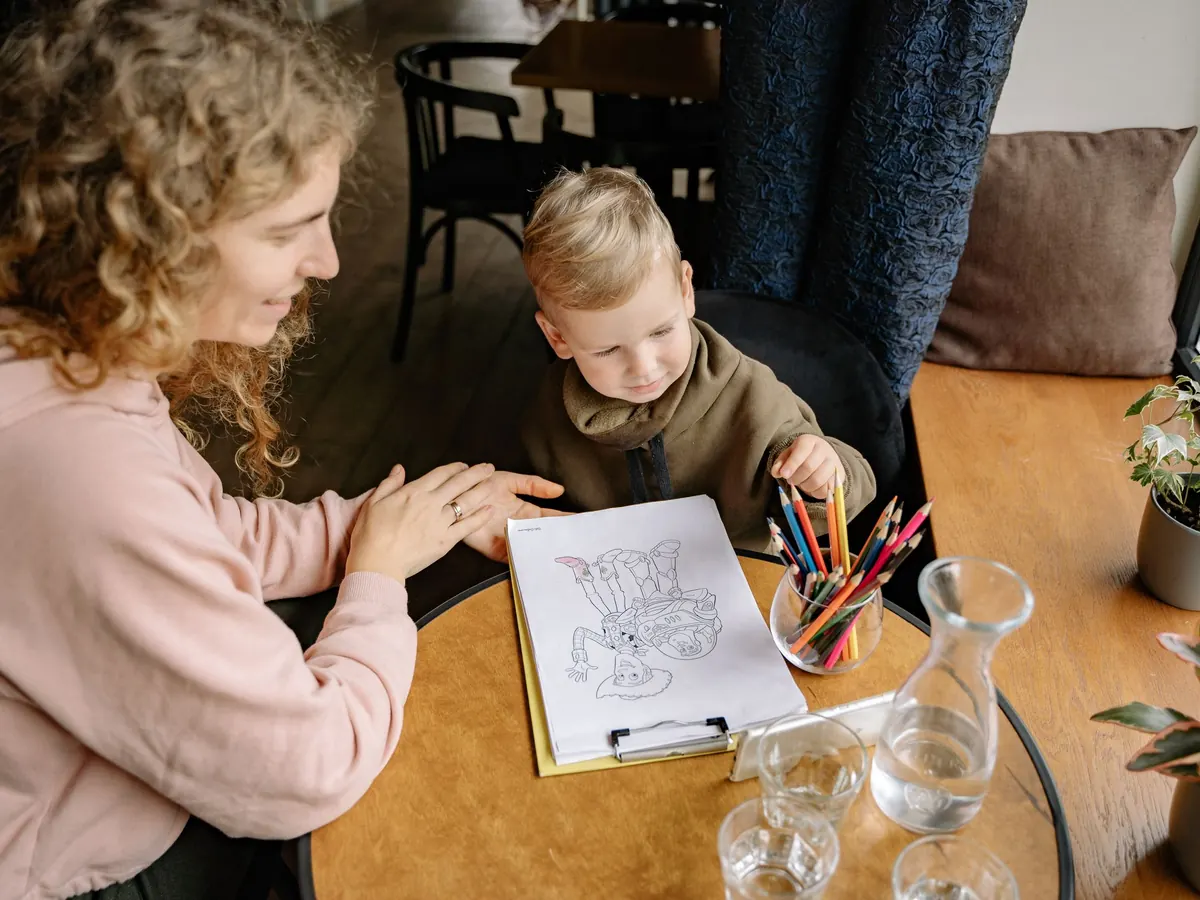
Occupational therapy
Getting dressed, eating, holding a pencil, coping with noise or textures, playing with others: occupational therapy…
Learn more
Behavioral therapy
Difficult behavior almost always communicates something. We find what triggers it and teach the child—and the adults…
Learn moreBook an assessment or a visit
Call us, send a WhatsApp message or leave your details: we’ll get back to you to book and answer your questions.
- Phone+52 (664) 210 3920
- WhatsApp · therapy(664) 483 7061
- WhatsApp · school(664) 822 1110