

L.T.O.
Getting dressed, eating, holding a pencil, coping with noise or textures, playing with others: occupational therapy helps every child do what children their age do.
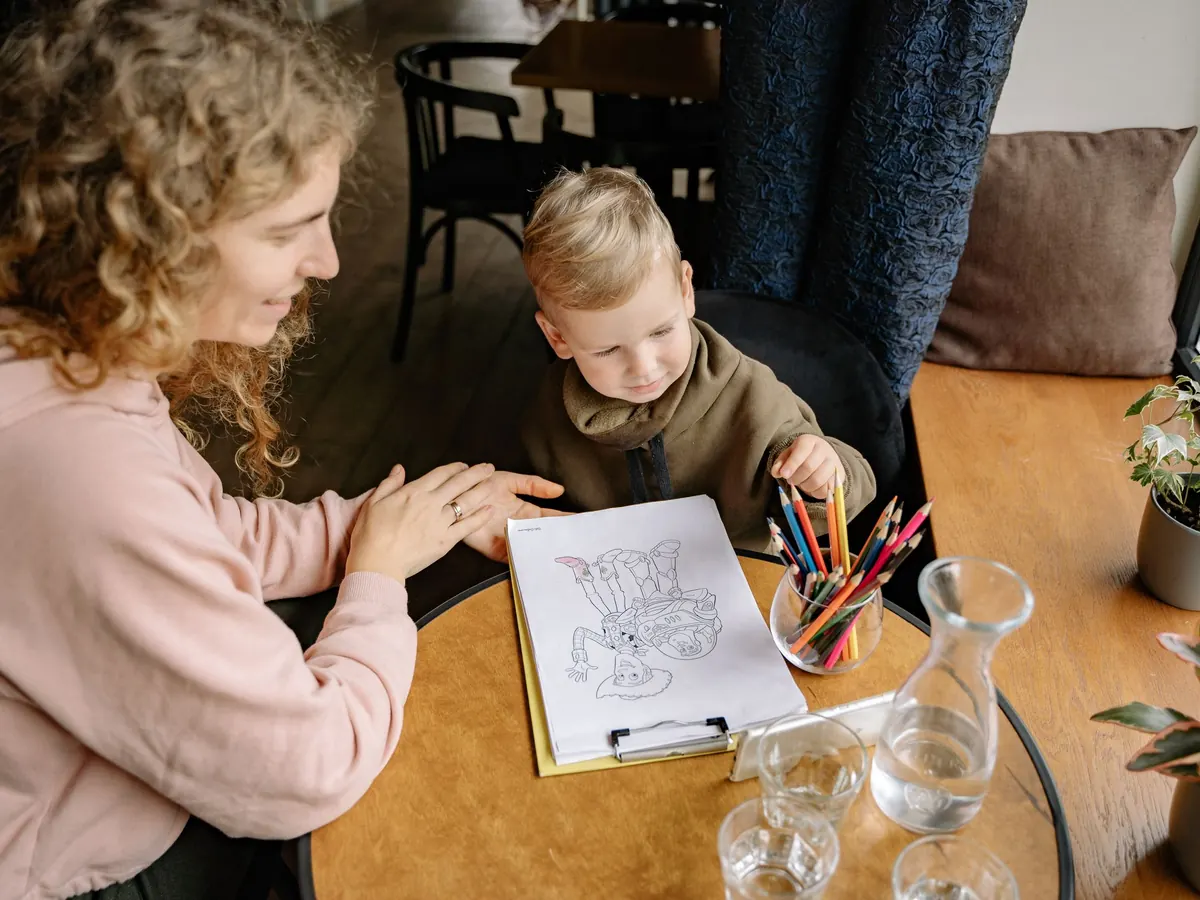
Occupational therapy works on the skills a child needs for daily life: fine and gross motor skills, coordination, motor planning, self-care and how the brain processes what it senses. When that sensory information isn’t well organized, behaviors appear that look like tantrums but are really a response to too much—or too little—stimulation.
Our occupational therapists are trained in sensory integration, special education, assistive technology and feeding difficulties, and they make splints and orthoses when needed. They work mostly with children with neurodevelopmental disorders, including autism.
We observe how the child responds to stimuli and how they move, play and solve tasks.
We choose functional goals: dressing alone, tolerating a haircut, writing their name.
Obstacle courses, sensory play, fine motor work and daily living activities, always at their pace.
You get routines and adjustments for home and the classroom that help with regulation.
Graduates in Human Communication, Special Education and Occupational Therapy, with more than 10 years of experience with children.

Occupational therapy is often the least understood of children’s therapies.
Read the guideIt is how the brain organizes what comes in through the senses—touch, movement, hearing, sight—so we can respond appropriately. When it doesn’t work well, a child may over- or under-react to everyday stimuli.
No. It helps any child with motor, sensory, feeding or independence difficulties, with or without a diagnosis.
If your child avoids playing with other kids, gets frustrated easily, struggles with everyday tasks like dressing or eating, or reacts strongly to noise and textures, a timely evaluation will give you clarity.
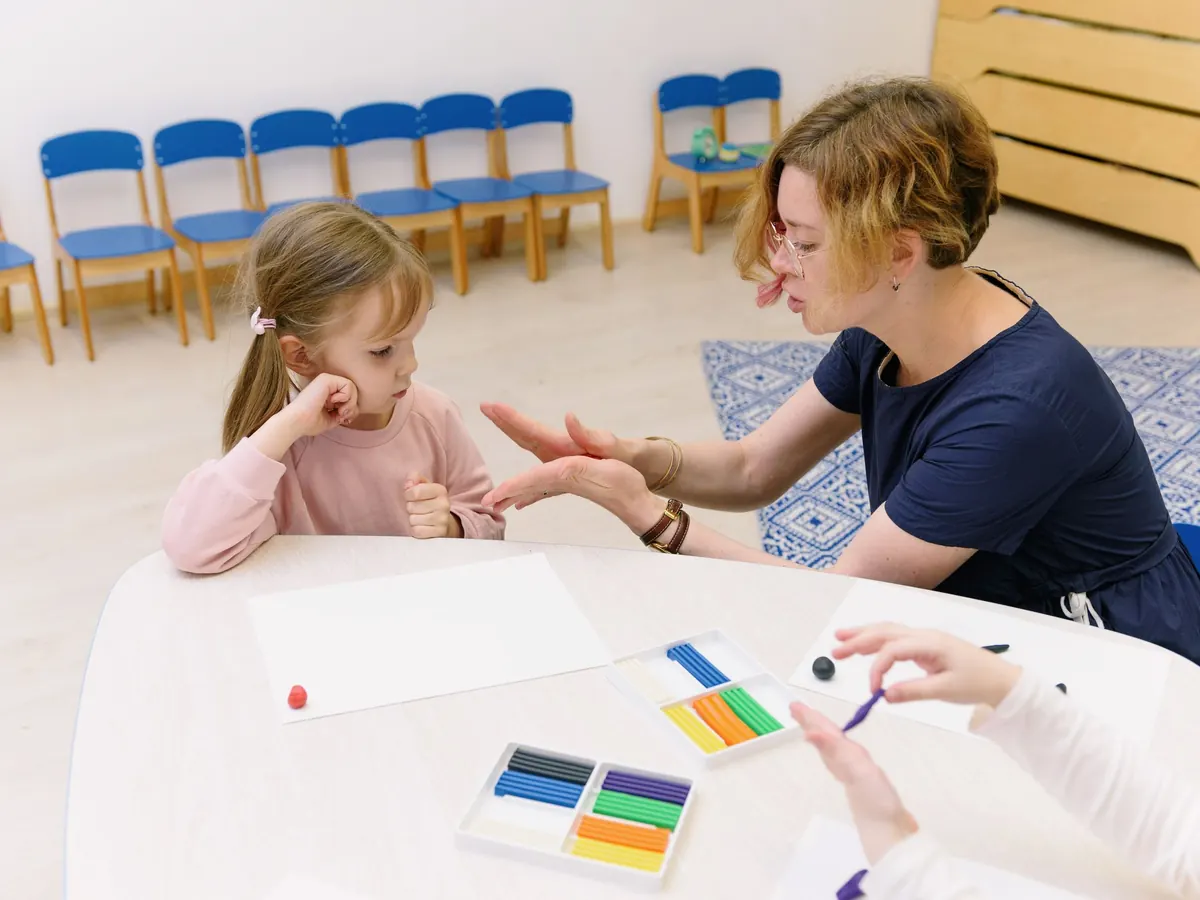
Our speech-language therapists work on speech, language and learning difficulties so every child can express…
Learn more
Difficult behavior almost always communicates something. We find what triggers it and teach the child—and the adults…
Learn more
When reading, writing or math is much harder than expected, it isn’t laziness.
Learn moreCall us, send a WhatsApp message or leave your details: we’ll get back to you to book and answer your questions.