School training: real tools for inclusion
Inclusion takes more than good will. We give principals and teachers practical tools to detect needs early and support every student.
How we help
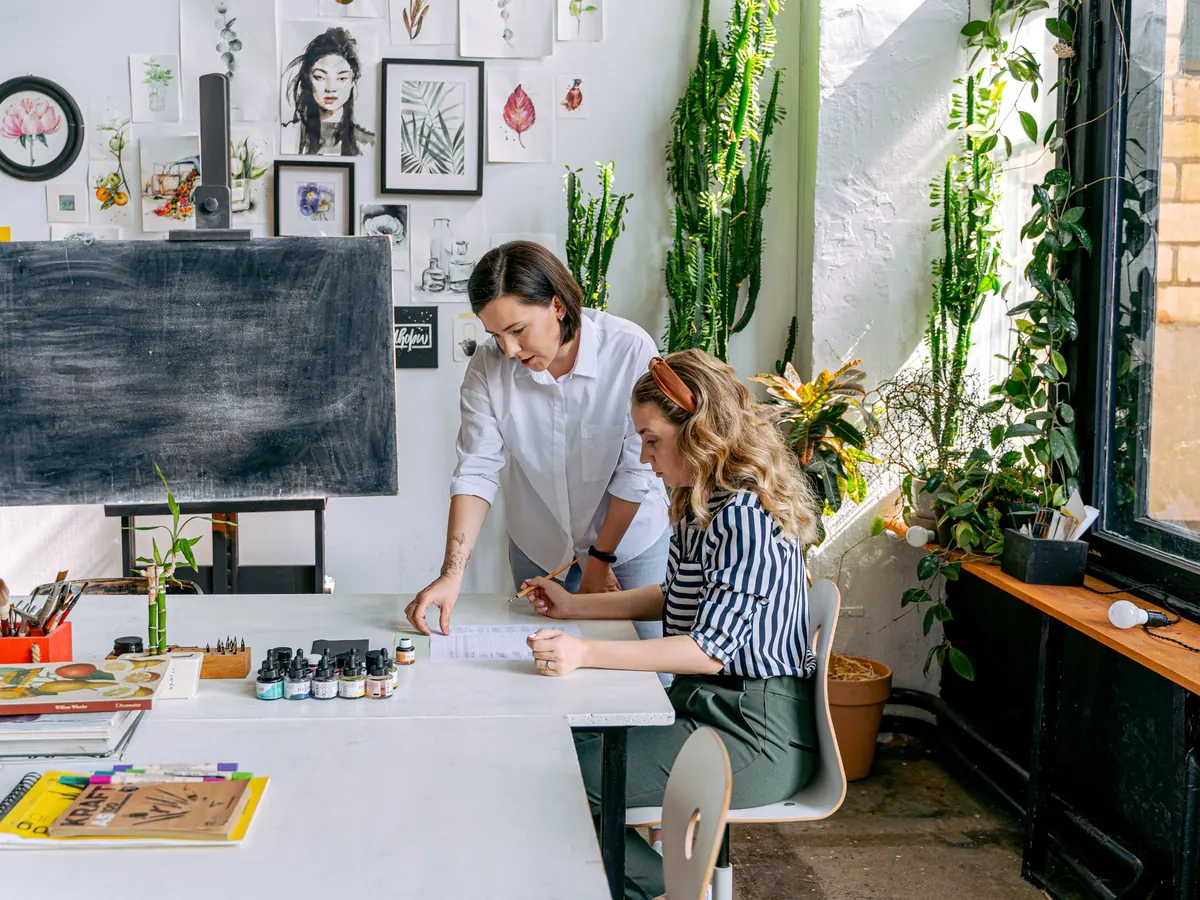
Since we opened, one of our three phases of work has been training the people around the child. We run workshops for Tijuana schools on early detection of neurodevelopmental disorders, including students with special educational needs, and building empathy among their classmates.
Each workshop is adapted to the grade level and to what the school is facing now: a newly diagnosed student, a class with conflicts or the need for curriculum accommodations. We work with cases, materials and recommendations teachers can apply the next day.
It can help if your child…
- Principals who want an inclusion policy
- Teachers with students who have ADHD, autism or learning difficulties
- Classes that need awareness work
- School support and counseling teams
How we work
Needs assessment
We talk with the principal to learn what the school needs.
A tailored workshop
Content, length and level according to the audience.
Classroom practice
Strategies, accommodations and ready-to-use examples.
Follow-up
Support for specific cases when needed.
Inclusive school in Tijuana
Many schools call themselves inclusive. The difference lies in what happens inside the classroom when a student needs something different.
Read the guideCommon questions
What topics do workshops cover?
Detecting different neurodevelopmental disorders, including a student with special educational needs and building classmates’ empathy, among others tailored to each school.
Do you come to the school?
Yes, we can go to your school or host the teaching team at our center.
Which schools have you worked with?
We have collaborated with Tijuana schools such as Colegio Reina Isabel, UCA, Reggio Institute, Instituto México, La Cacho, Ema de la Vega and Magna, among others.
You may also be interested in
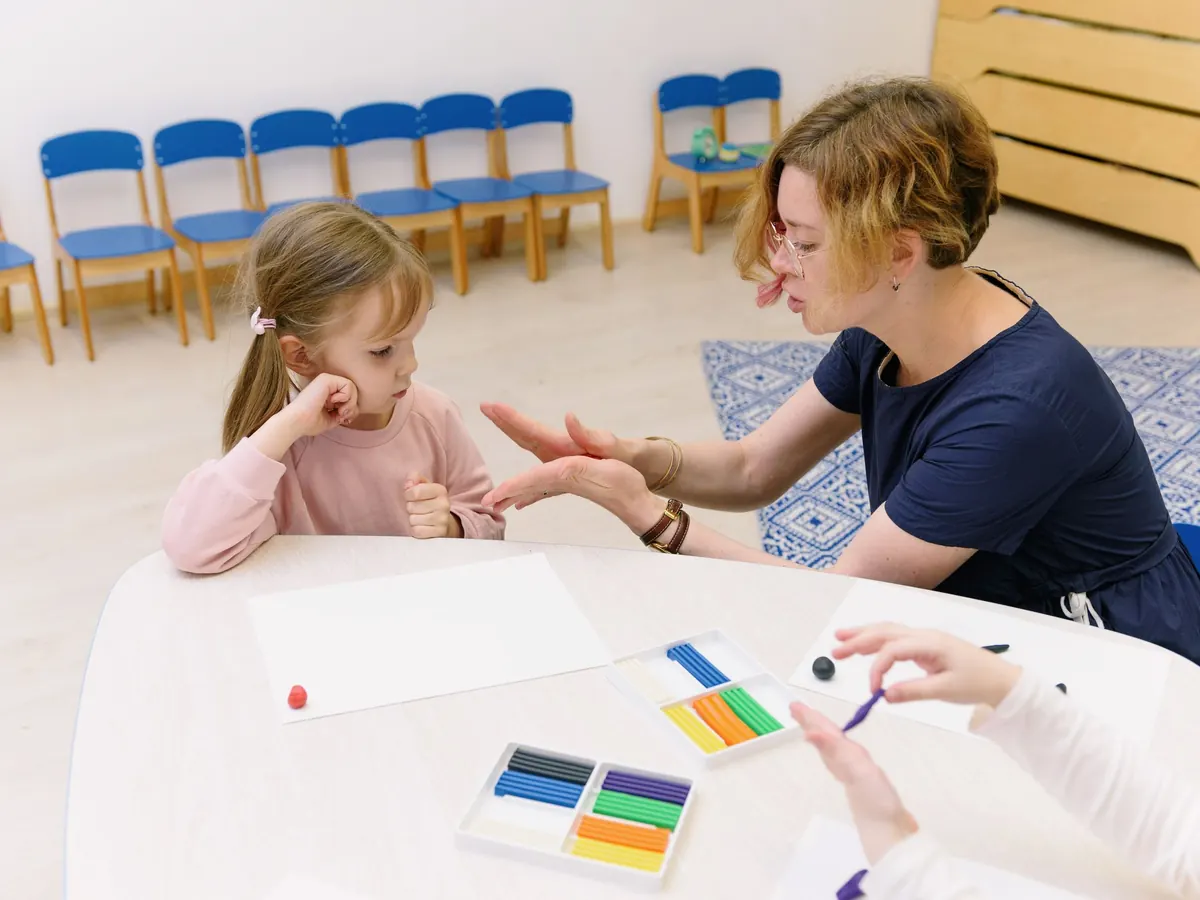
Speech and language therapy
Our speech-language therapists work on speech, language and learning difficulties so every child can express…
Learn more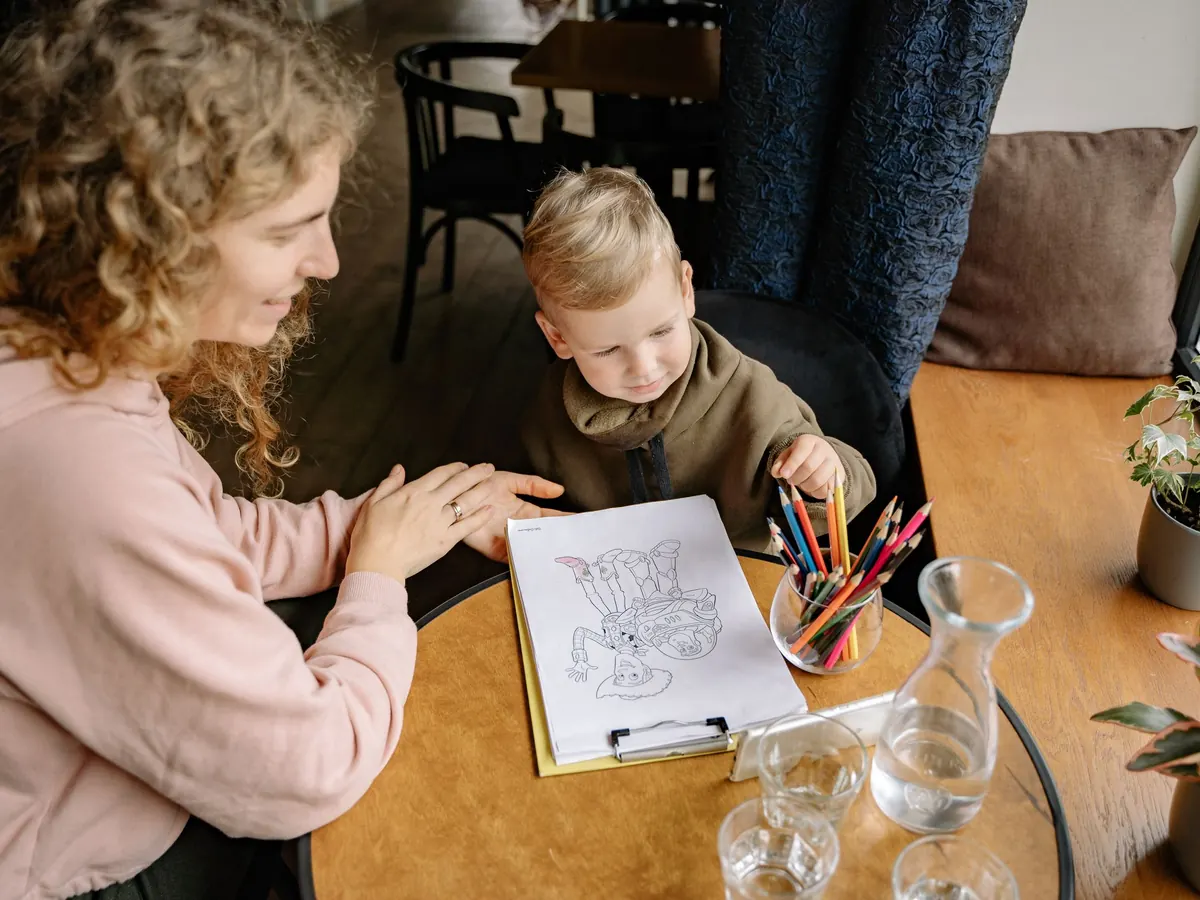
Occupational therapy
Getting dressed, eating, holding a pencil, coping with noise or textures, playing with others: occupational therapy…
Learn more
Behavioral therapy
Difficult behavior almost always communicates something. We find what triggers it and teach the child—and the adults…
Learn moreBook an assessment or a visit
Call us, send a WhatsApp message or leave your details: we’ll get back to you to book and answer your questions.
- Phone+52 (664) 210 3920
- WhatsApp · therapy(664) 483 7061
- WhatsApp · school(664) 822 1110