ADHD: attention, movement and impulses that can be supported
ADHD isn’t bad manners or lack of effort. It’s a different way the brain works, and with support it stops being an obstacle.

Understanding ADHD
ADHD is a neurodevelopmental disorder affecting attention, impulse control and, often, activity level. It presents as predominantly inattentive, hyperactive-impulsive or combined, and it usually becomes more visible when school demands more focus and organization.
A professional makes the diagnosis using interviews, parent and teacher questionnaires, observation and testing; being restless isn’t enough. Treatment works best when it combines therapy with the child, family guidance and adjustments at school.
ADHD testing in Tijuana
A restless child doesn’t necessarily have ADHD, and a calm one might.
Read the guideSigns worth watching for
None on its own is a diagnosis. If you recognize several and they persist, book an assessment.
- Easily distracted, doesn’t finish what they start
- Loses supplies, forgets homework and instructions
- Struggles to wait their turn and interrupts
- Moves constantly, even when they should be seated
- Answers before the question is finished
- Makes careless mistakes despite knowing the material
A tailored plan
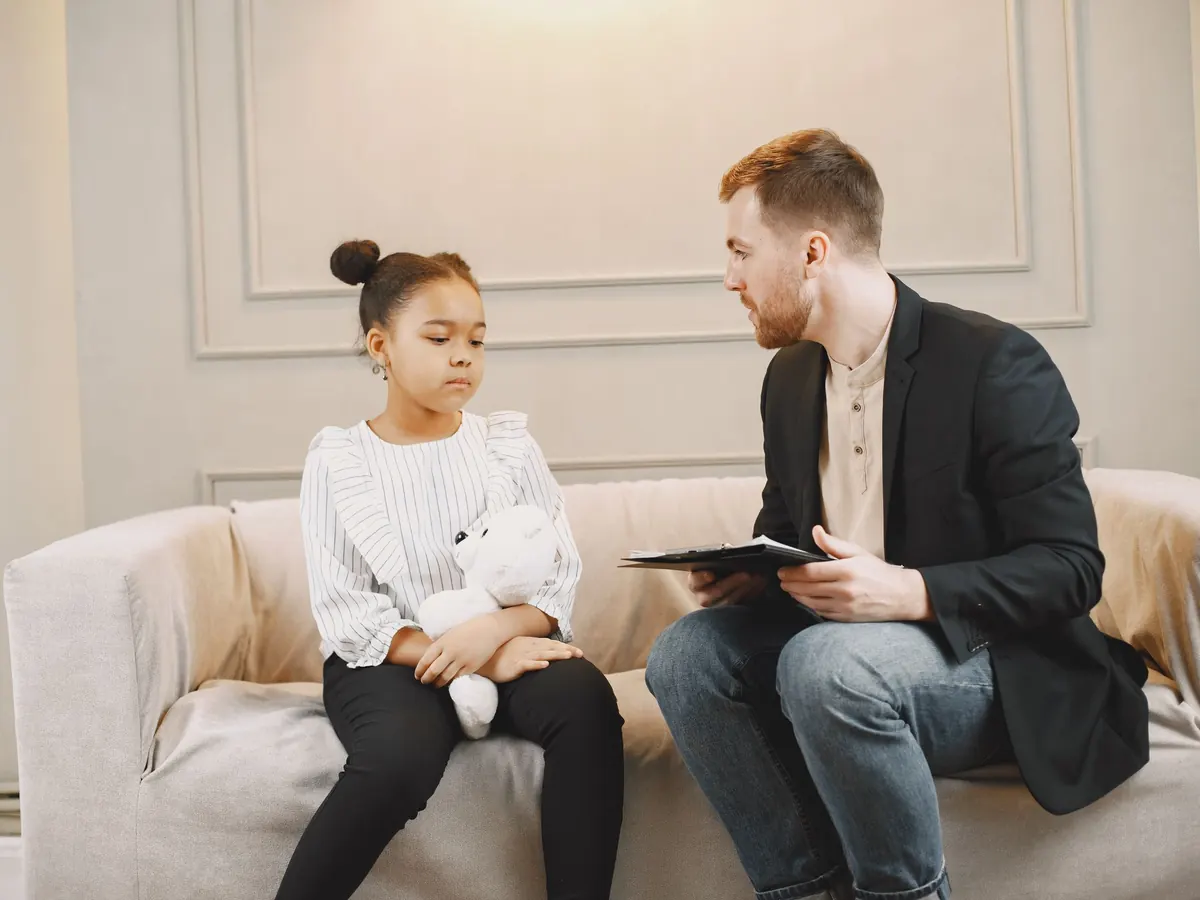
We start with a complete neuropsychological evaluation. With the diagnosis, we build a plan combining cognitive stimulation (attention, memory, planning), behavioral therapy, parent training and teacher guidance so the school can make the accommodations the student needs.
Child neuropsychological evaluation
Before any therapy, you need to know what is going on. We do a complete assessment—with the family, the school and your…
Learn more
Behavioral therapy
Difficult behavior almost always communicates something. We find what triggers it and teach the child—and the adults…
Learn more
Cognitive stimulation therapy
Thanks to neuroplasticity, a child’s brain can build new pathways.
Learn more
Parent training
No child moves forward alone. We give mothers, fathers and caregivers the information and tools to support their child…
Learn moreThe information on this page is for guidance and does not replace a professional assessment. Every child is different: diagnosis and plan are defined after an evaluation.
Questions about ADHD
Can ADHD be cured?
It isn’t an illness that gets cured, but with intervention children learn strategies that greatly reduce its impact at school and at home. Many symptoms change with age.
Does my child need medication?
That decision belongs to a medical specialist (child psychiatrist or pediatric neurologist). We do the evaluation and therapy, and coordinate with the physician when there is one.
At what age can it be diagnosed?
Signs may appear in preschool, but the diagnosis becomes clearer at school age, when attention demands increase.
We also work with
Autism (ASD)
- Doesn’t respond to their name or makes little eye contact
- Talks little, repeats phrases or lost words they used to say
- Prefers to play alone or lines up objects
Language disorders
- No words at 18 months
- No two-word phrases at 2 years
- Others can’t understand them at 3
Learning disabilities
- Reads very slowly or guesses words
- Mixes up b/d or p/q after first grade
- Writes with many errors or very hard-to-read handwriting
Book an assessment or a visit
Call us, send a WhatsApp message or leave your details: we’ll get back to you to book and answer your questions.
- Phone+52 (664) 210 3920
- WhatsApp · therapy(664) 483 7061
- WhatsApp · school(664) 822 1110