Learning disabilities: bright, but something doesn’t click
A child can be smart, curious and hardworking and still struggle to read, write or do math. It isn’t lack of effort: it’s a different way of processing information.

Understanding Learning disabilities
Specific learning disorders are persistent difficulties in reading (dyslexia), writing (dysgraphia) or math (dyscalculia) that aren’t explained by lack of teaching, vision or hearing problems, or the child’s intellectual ability.
Catching them early prevents years of frustration and labels like “lazy” or “distracted.” With evaluation, therapy and school accommodations, children learn compensating strategies and reach their full potential.
Learning difficulties help in Tijuana
Poor grades are a symptom, not a diagnosis. There can be many causes behind them, and each is addressed differently.
Read the guideSigns worth watching for
None on its own is a diagnosis. If you recognize several and they persist, book an assessment.
- Reads very slowly or guesses words
- Mixes up b/d or p/q after first grade
- Writes with many errors or very hard-to-read handwriting
- Can’t memorize times tables or the steps of an operation
- Understands when listening but not when reading
- Avoids homework or gets very frustrated with it
A tailored plan
The neuropsychological evaluation identifies which processes are struggling. Then learning therapy works on the foundations with multisensory methods; tutoring helps recover content and cognitive stimulation reinforces memory and attention. We share with the school the accommodations that help most.
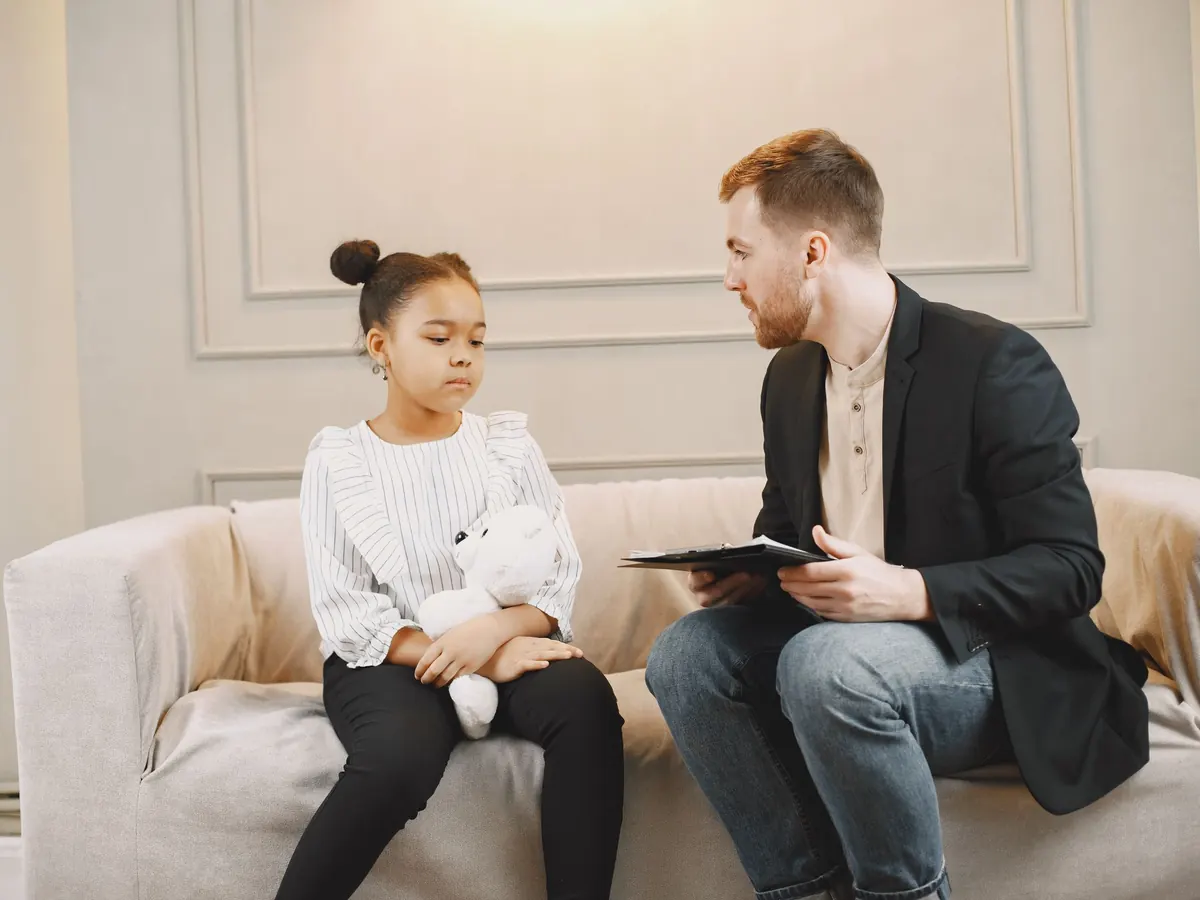
Child neuropsychological evaluation
Before any therapy, you need to know what is going on. We do a complete assessment—with the family, the school and your…
Learn more
Learning therapy
When reading, writing or math is much harder than expected, it isn’t laziness.
Learn more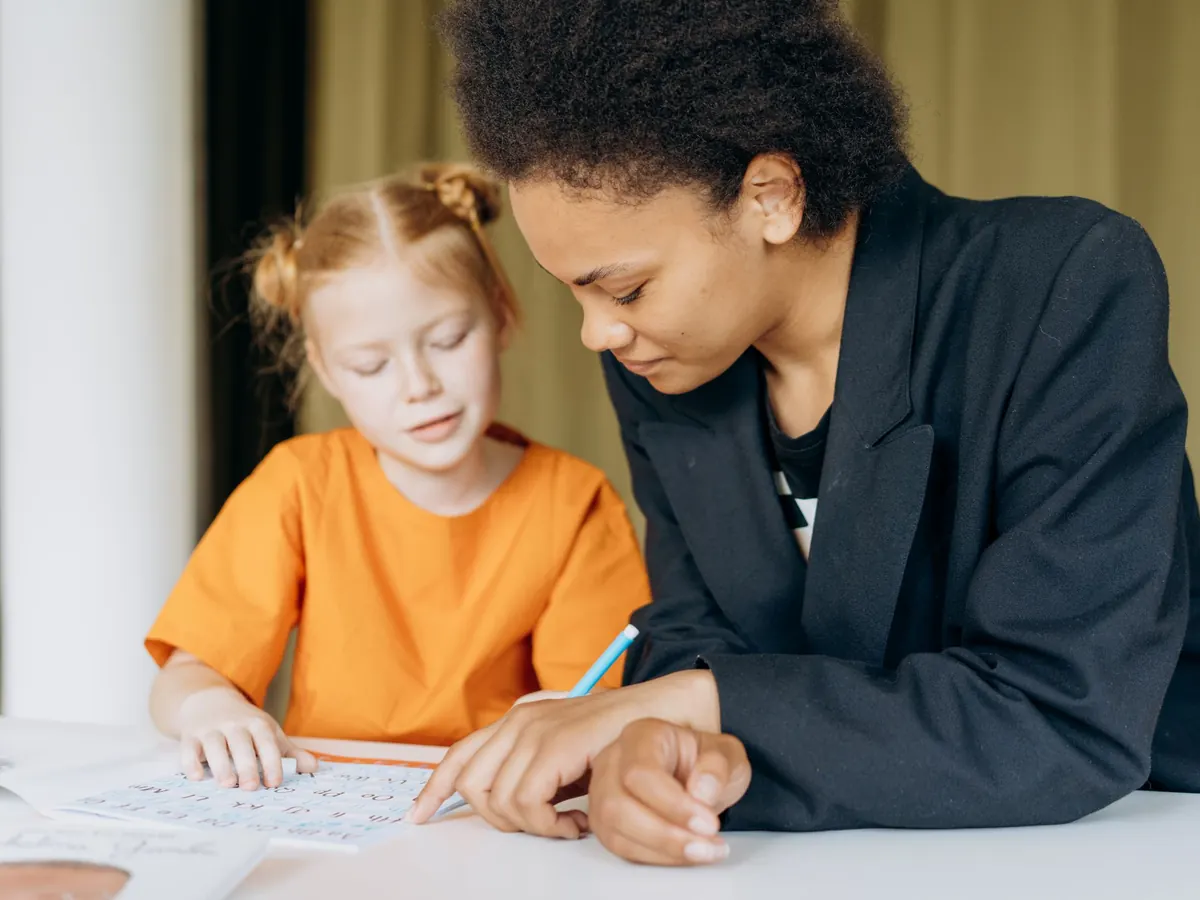
Academic tutoring workshops
Individual and group workshops to recover content, prepare for tests and build study habits, guided by therapists who…
Learn more
Cognitive stimulation therapy
Thanks to neuroplasticity, a child’s brain can build new pathways.
Learn moreThe information on this page is for guidance and does not replace a professional assessment. Every child is different: diagnosis and plan are defined after an evaluation.
Questions about Learning disabilities
Is dyslexia related to intelligence?
No. Many children with dyslexia have average or high intelligence; their difficulty is in processing sounds and letters.
When can it be diagnosed?
Signs can show up in preschool (rhymes, sounds), but diagnosis is usually confirmed from first or second grade.
Does it go away with time?
The underlying difficulty stays with the person, but with strategies and supports children read, write and study successfully.
We also work with
ADHD
- Easily distracted, doesn’t finish what they start
- Loses supplies, forgets homework and instructions
- Struggles to wait their turn and interrupts
Autism (ASD)
- Doesn’t respond to their name or makes little eye contact
- Talks little, repeats phrases or lost words they used to say
- Prefers to play alone or lines up objects
Language disorders
- No words at 18 months
- No two-word phrases at 2 years
- Others can’t understand them at 3
Book an assessment or a visit
Call us, send a WhatsApp message or leave your details: we’ll get back to you to book and answer your questions.
- Phone+52 (664) 210 3920
- WhatsApp · therapy(664) 483 7061
- WhatsApp · school(664) 822 1110