
Emotional therapy: a safe space to feel and to learn
Children worry, get frustrated and feel sad too. We help them put their feelings into words and find healthy ways to handle them.
How we help
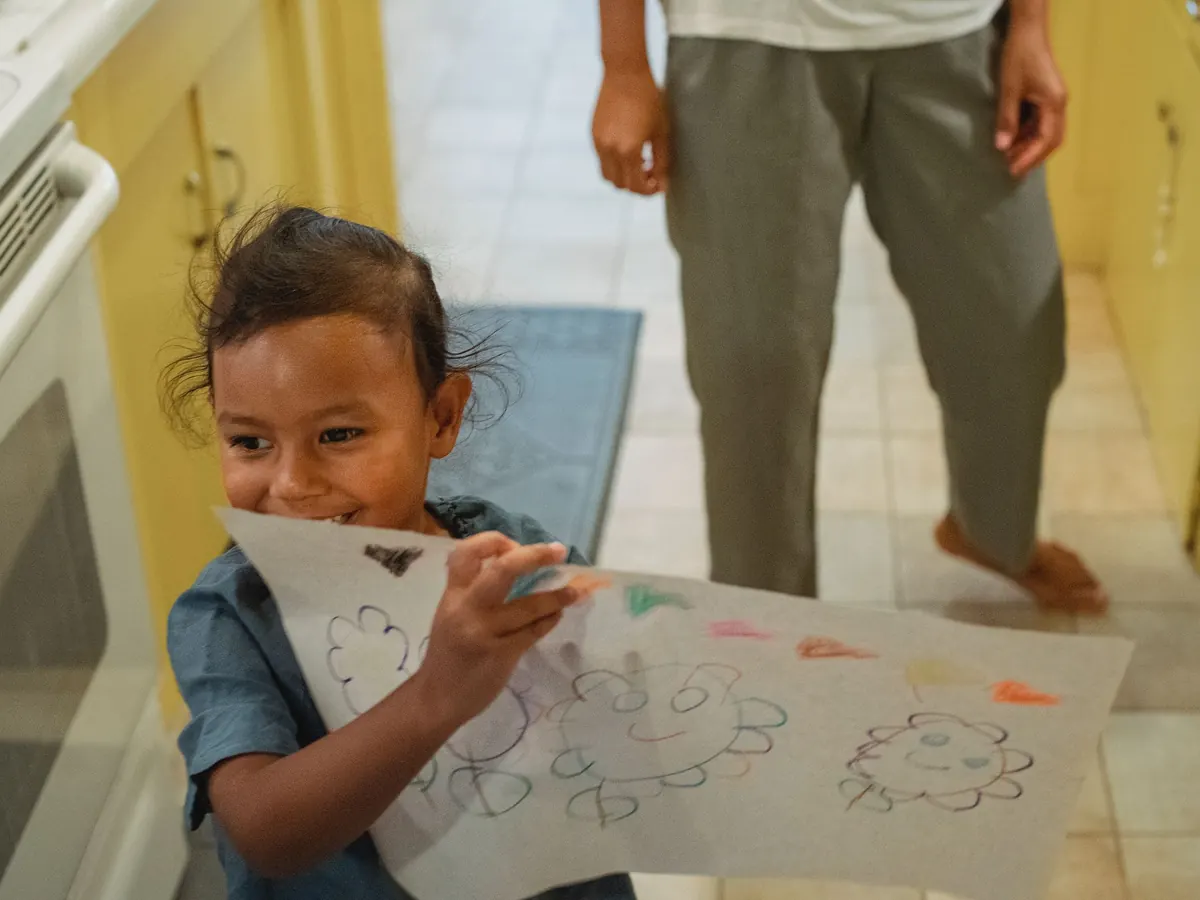
Many learning or behavior difficulties come with something emotional: a child who knows they’re “different,” who gets frustrated in class or who is going through a change at home. Emotional therapy gives them a space to express it their way—through play, drawing or words—and teaches them to recognize and regulate their emotions.
We also work with parents, because the home climate is a child’s best tool. We share how to support them, set loving limits and strengthen their self-esteem.
It can help if your child…
- Anxiety, fears or excessive worry
- Low self-esteem or phrases like “I can’t” or “I’m dumb”
- Sadness, irritability or sudden mood swings
- Family changes: divorce, a move, a loss
- Frustration with school difficulties
How we work
Listening
A parent interview and first sessions to build trust.
Expression
Play, art and conversation so the child can show what they’re going through.
Tools
Recognizing emotions, breathing, asking for help, thinking differently.
Family support
Guidance sessions so the work continues at home.
Neurodevelopmental center in Tijuana
If someone recommended a neurodevelopmental center for your child, it’s normal to have questions: what they do, how they differ from a private…
Read the guideCommon questions
How do I know if my child needs emotional therapy?
If you notice changes lasting weeks—in sleep, appetite, mood or willingness to go to school—or they say negative things about themselves, it’s worth a consultation.
What happens in sessions?
With little ones we work through play; with older children, through more conversation. Always with respect and confidentiality.
Do you see teenagers?
Yes. Adolescence brings its own challenges, and we support it with an age-appropriate approach.
You may also be interested in
Speech and language therapy
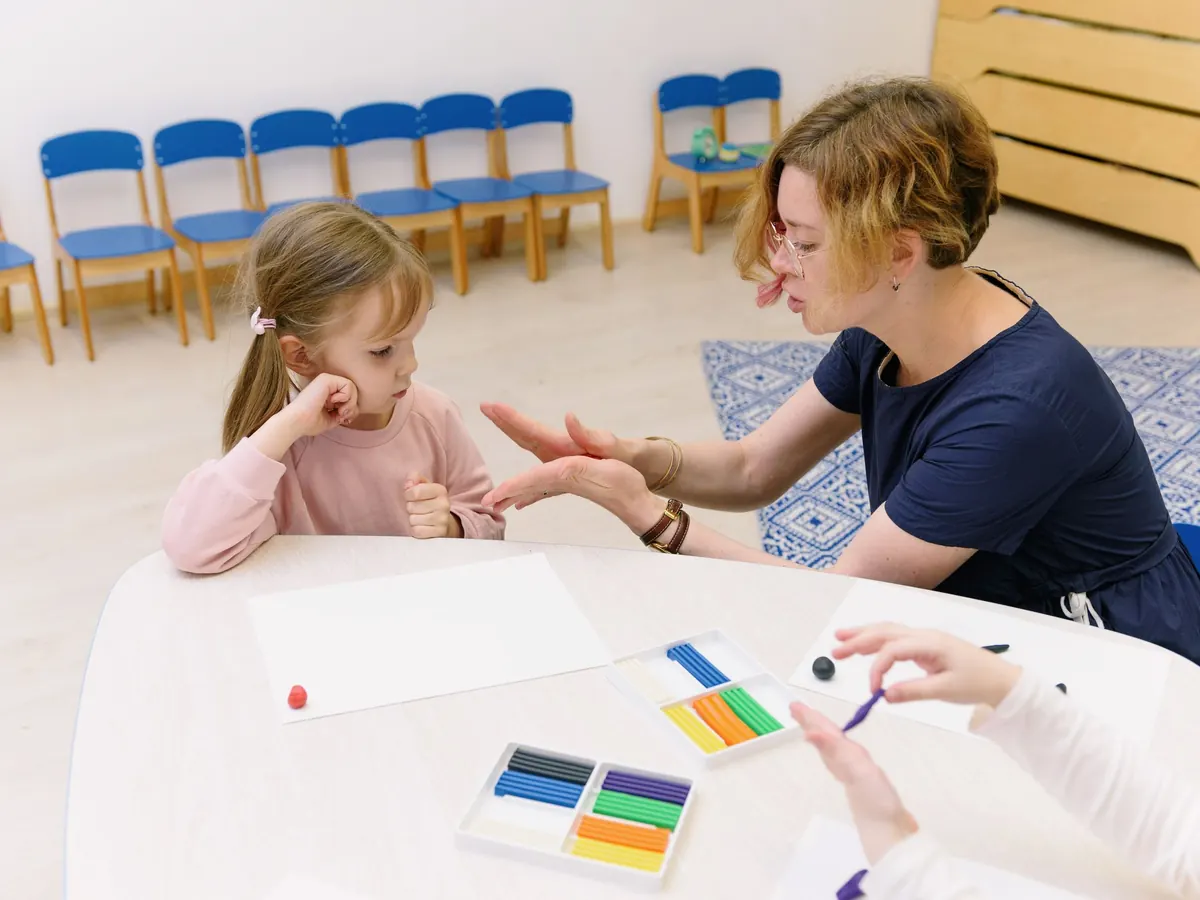
Our speech-language therapists work on speech, language and learning difficulties so every child can express…
Learn more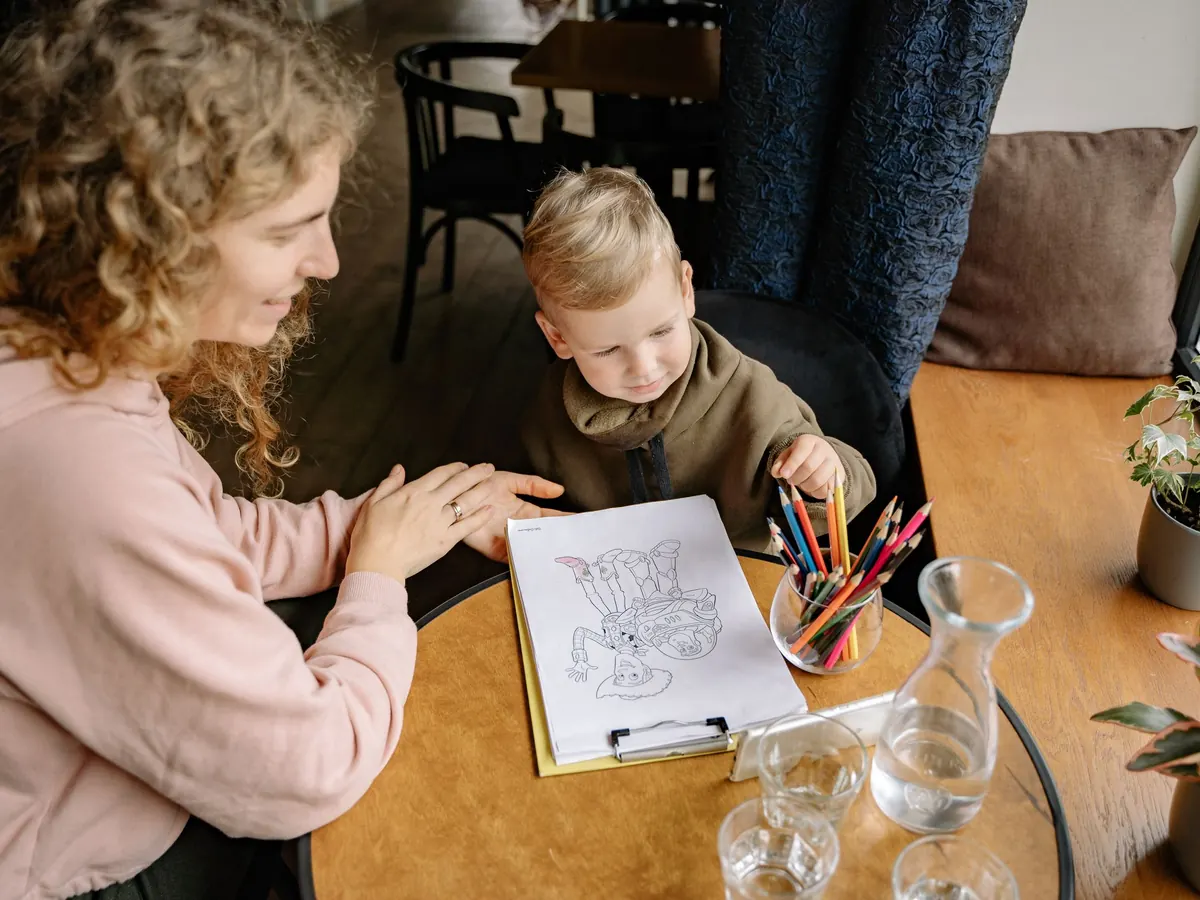
Occupational therapy
Getting dressed, eating, holding a pencil, coping with noise or textures, playing with others: occupational therapy…
Learn more
Behavioral therapy
Difficult behavior almost always communicates something. We find what triggers it and teach the child—and the adults…
Learn moreBook an assessment or a visit
Call us, send a WhatsApp message or leave your details: we’ll get back to you to book and answer your questions.
- Phone+52 (664) 210 3920
- WhatsApp · therapy(664) 483 7061
- WhatsApp · school(664) 822 1110