
A child neuropsychologist doesn’t prescribe medication or treat illnesses: they evaluate functions such as attention, memory, language, perception and executive function, and explain why a child struggles at school or with behavior.
When an evaluation makes sense
- The school says your child “doesn’t pay attention” or “isn’t progressing.”
- ADHD, autism, dyslexia or another learning disorder is suspected.
- Your child works very hard and it still isn’t enough.
- There was a birth complication, a neurological illness or a head injury.
- You need a diagnosis to request school accommodations.
What the evaluation looks like
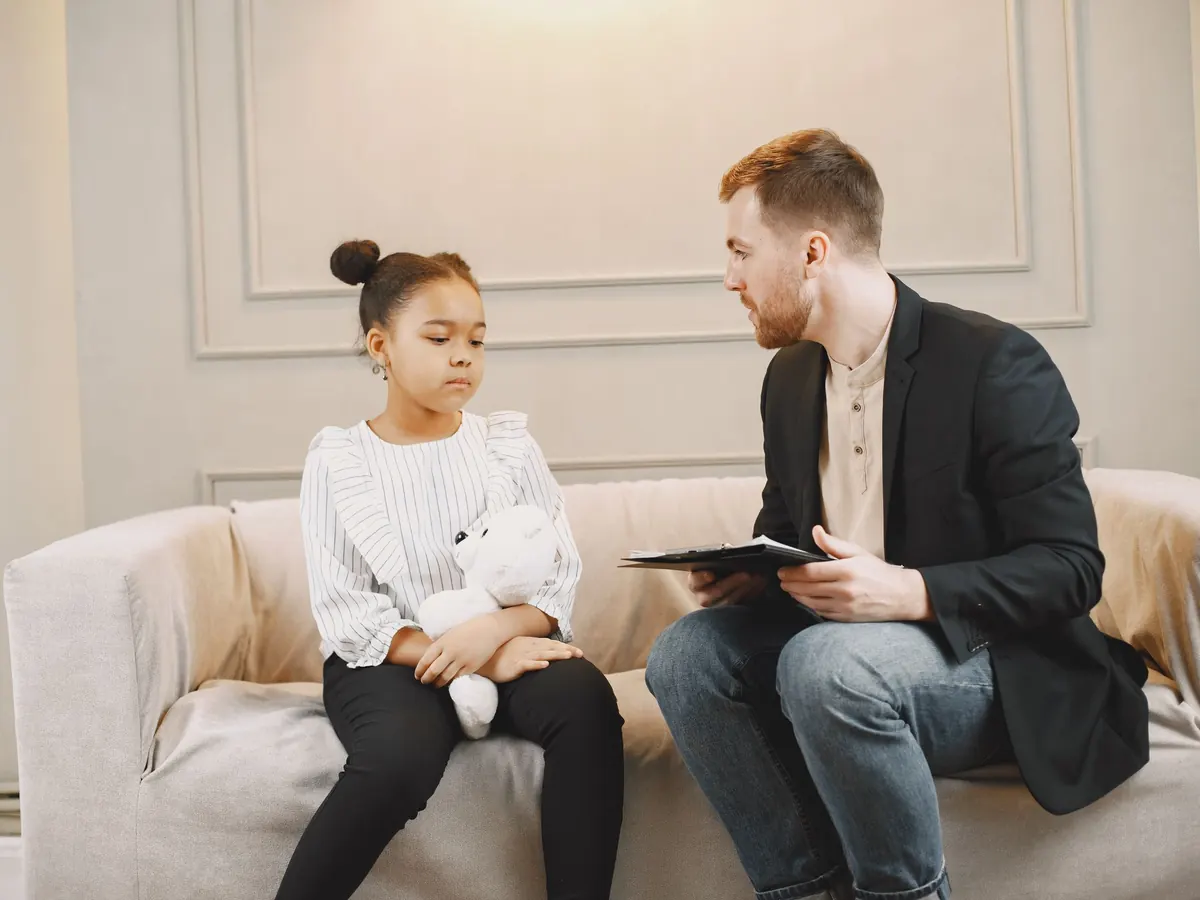
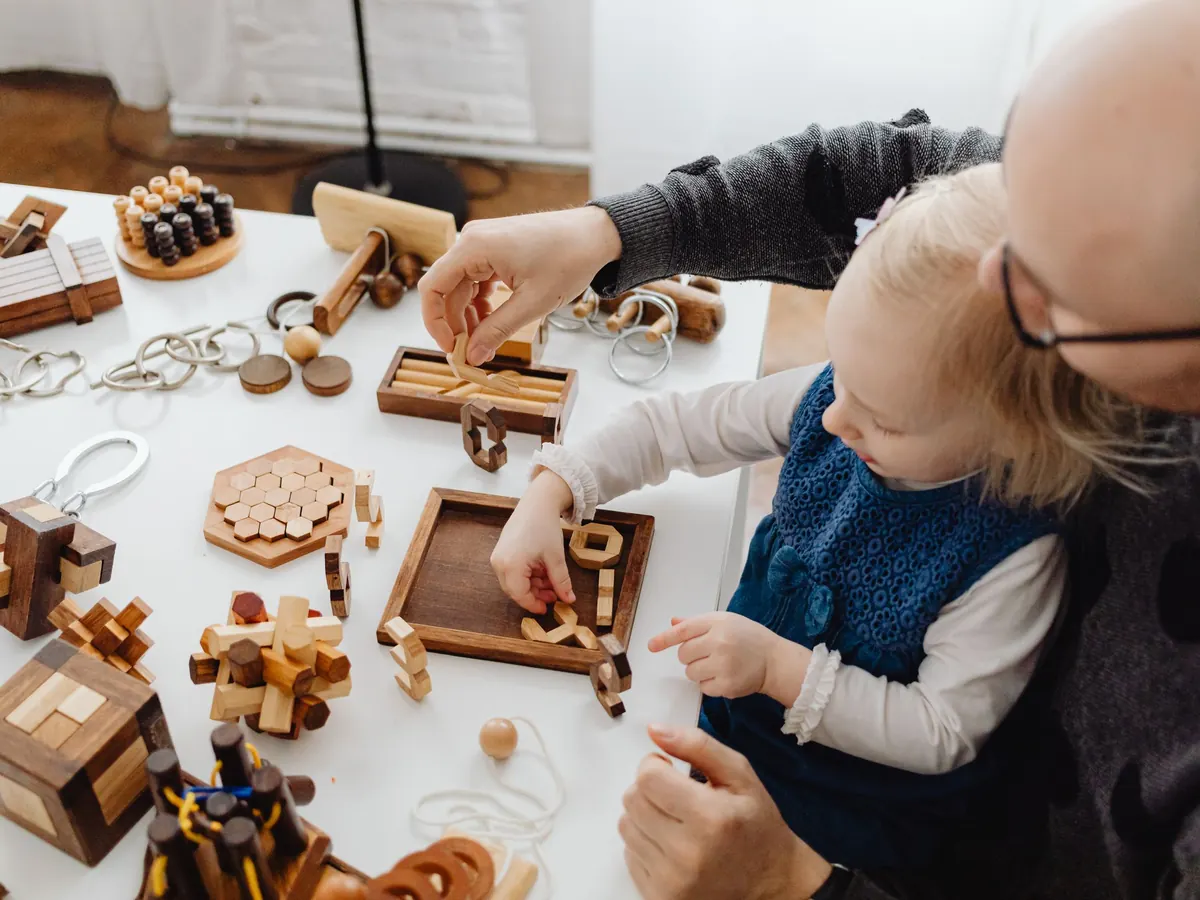
It usually starts with a parent interview, continues with several testing sessions with the child—short and game-like for little ones—and, when possible, information from the school. It ends with a feedback session.
What the report should include
- The tests used and the results explained.
- The child’s strengths, not just difficulties.
- A clear diagnosis or conclusion.
- Recommendations for home, school and therapy.
How to prepare
Bring report cards, notebooks, school reports and previous studies. Make sure your child sleeps well the night before and tell them they’ll “do activities and games” with someone who wants to learn how they learn.
The information on this page is for guidance and does not replace a professional assessment. Every child is different: diagnosis and plan are defined after an evaluation.