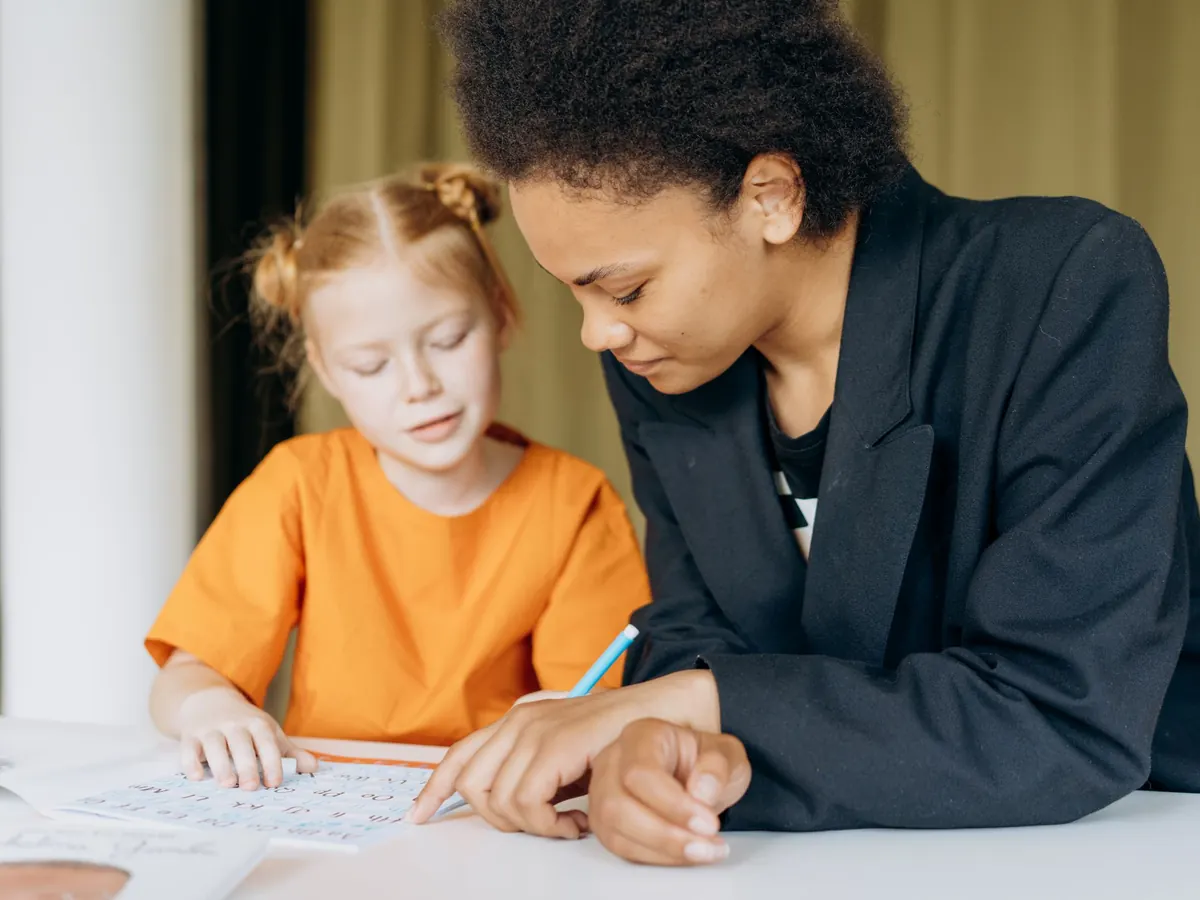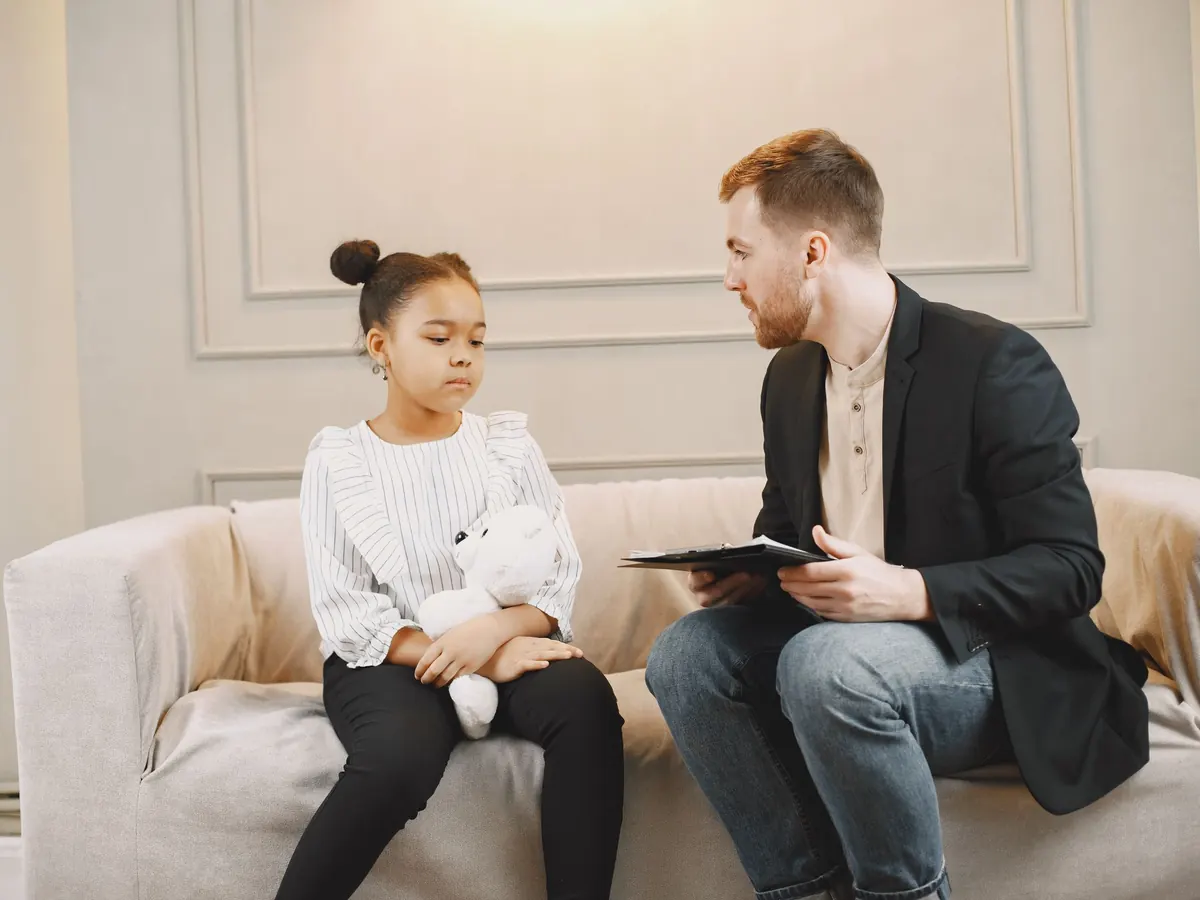

When a child struggles at school, the first step is finding out why. The most common causes aren’t always the ones we imagine.
Possible causes
- A specific learning disorder: dyslexia, dysgraphia, dyscalculia.
- Attention difficulties or ADHD.
- A language disorder affecting comprehension.
- Undetected vision or hearing problems.
- Anxiety, sadness or a change at home.
- Disorganized study and sleep habits.
- A school whose pace doesn’t fit the child.
What to do, in order
- Talk to the teacher. Ask what they observe, in which subjects and since when.
- Check vision and hearing with the pediatrician.
- Request an evaluation—neuropsychological or educational—if the difficulty persists.
- Build a plan with therapy, tutoring and school accommodations.
- Review progress periodically with the school and therapist.
How to talk with the school
Bring the evaluation report, request a meeting with the teacher and principal, and agree on accommodations in writing: extra time, step-by-step instructions, adapted tests, seating. Also ask for a simple weekly way to stay in touch.
At home
A fixed homework routine, a distraction-free spot, short breaks and, above all, praising effort more than grades.
The information on this page is for guidance and does not replace a professional assessment. Every child is different: diagnosis and plan are defined after an evaluation.