
Language disorders: when the words don’t come
Talking late, mispronouncing, not understanding instructions or not being able to tell what happened. These are different difficulties, and each has its treatment.

Understanding Language disorders
Language disorders affect comprehension, expression or both: the child has a smaller vocabulary, builds simpler sentences than peers or struggles to follow a conversation. Speech disorders affect sound production (articulation), fluency (stuttering) or voice.
This isn’t just about pronunciation: language is the foundation of reading, writing, thinking and getting along with others. That’s why it’s best addressed early, before it becomes a learning or self-esteem problem.
Speech therapist in Tijuana
“They’ll talk eventually,” people say. Sometimes that’s true, and sometimes waiting loses precious time.
Read the guideSigns worth watching for
None on its own is a diagnosis. If you recognize several and they persist, book an assessment.
- No words at 18 months
- No two-word phrases at 2 years
- Others can’t understand them at 3
- Swaps or substitutes sounds after age 5
- Can’t follow two-step instructions
- Often repeats syllables or gets stuck when talking
A tailored plan
Our team of Human Communication and Special Education graduates assesses comprehension, expression, articulation, voice and fluency. Speech therapy works through play, stories and routines, and learning therapy helps when the difficulty already affects reading and writing.
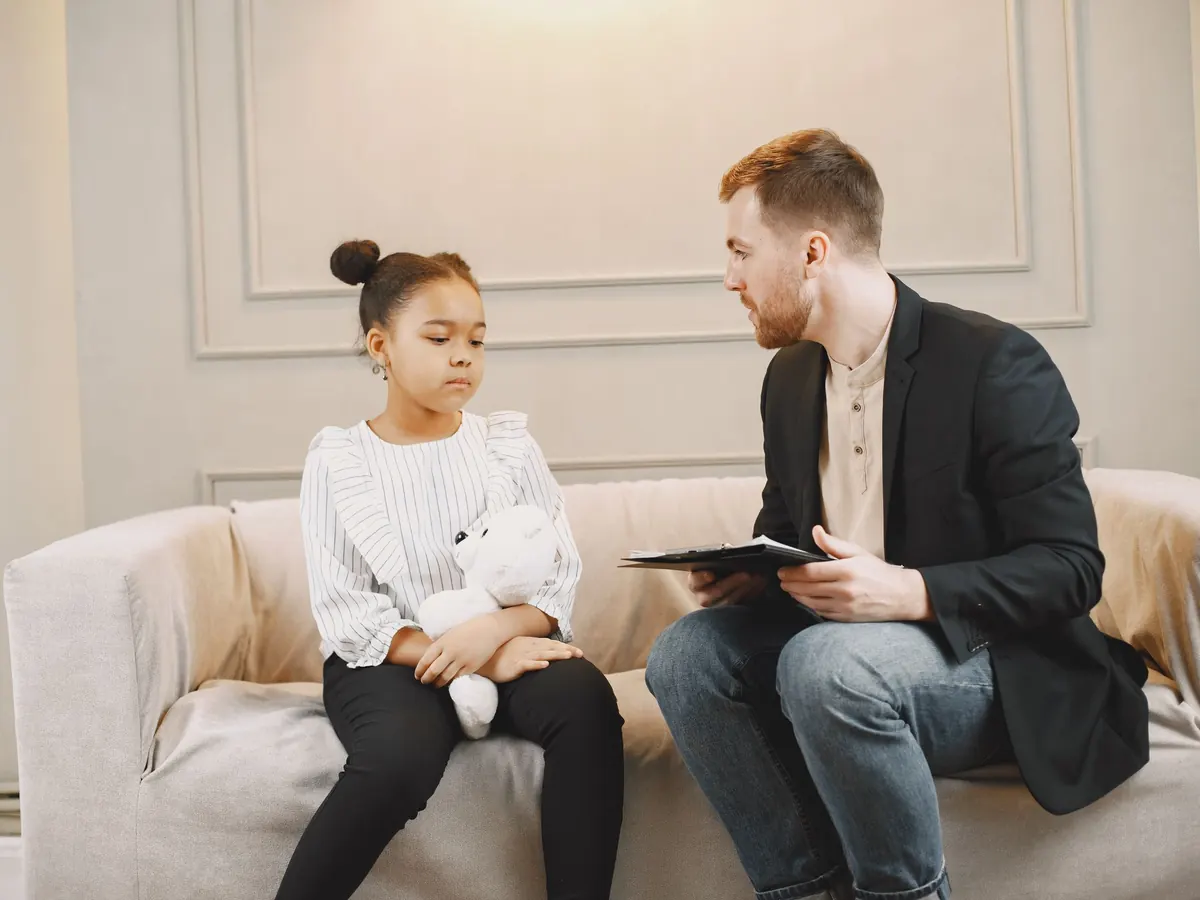
Child neuropsychological evaluation
Before any therapy, you need to know what is going on. We do a complete assessment—with the family, the school and your…
Learn more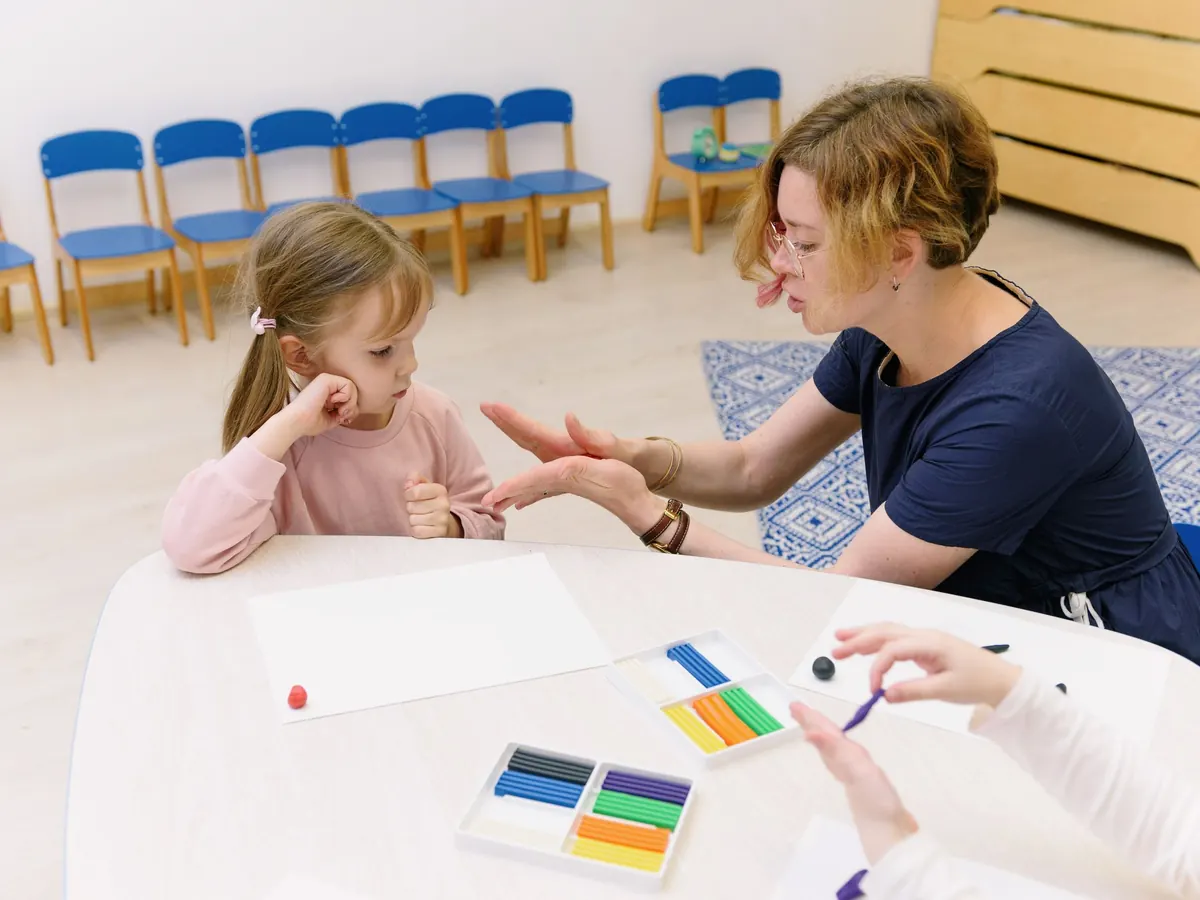
Speech and language therapy
Our speech-language therapists work on speech, language and learning difficulties so every child can express…
Learn more
Learning therapy
When reading, writing or math is much harder than expected, it isn’t laziness.
Learn moreThe information on this page is for guidance and does not replace a professional assessment. Every child is different: diagnosis and plan are defined after an evaluation.
Questions about Language disorders
Is it normal for my child to talk late?
Children vary, but some signs shouldn’t be ignored: no words at 18 months or no phrases at 2 years. An early assessment tells you whether to intervene.
Do screens delay language?
Language is learned by interacting with people. Lots of screen time reduces those opportunities, so we recommend limiting it and talking, reading and playing with your child.
Will stuttering go away on its own?
In some young children it’s temporary, but if it lasts more than six months, comes with tension or bothers your child, get an assessment.
We also work with
ADHD
- Easily distracted, doesn’t finish what they start
- Loses supplies, forgets homework and instructions
- Struggles to wait their turn and interrupts
Autism (ASD)
- Doesn’t respond to their name or makes little eye contact
- Talks little, repeats phrases or lost words they used to say
- Prefers to play alone or lines up objects
Learning disabilities
- Reads very slowly or guesses words
- Mixes up b/d or p/q after first grade
- Writes with many errors or very hard-to-read handwriting
Book an assessment or a visit
Call us, send a WhatsApp message or leave your details: we’ll get back to you to book and answer your questions.
- Phone+52 (664) 210 3920
- WhatsApp · therapy(664) 483 7061
- WhatsApp · school(664) 822 1110