
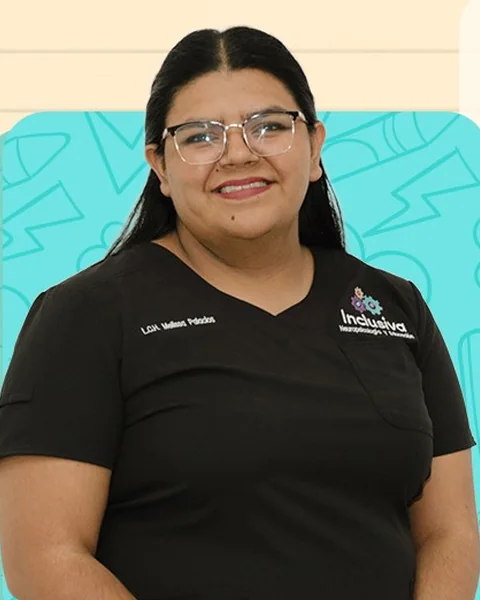
L.C.H.
Our speech-language therapists work on speech, language and learning difficulties so every child can express themselves, understand and take part.
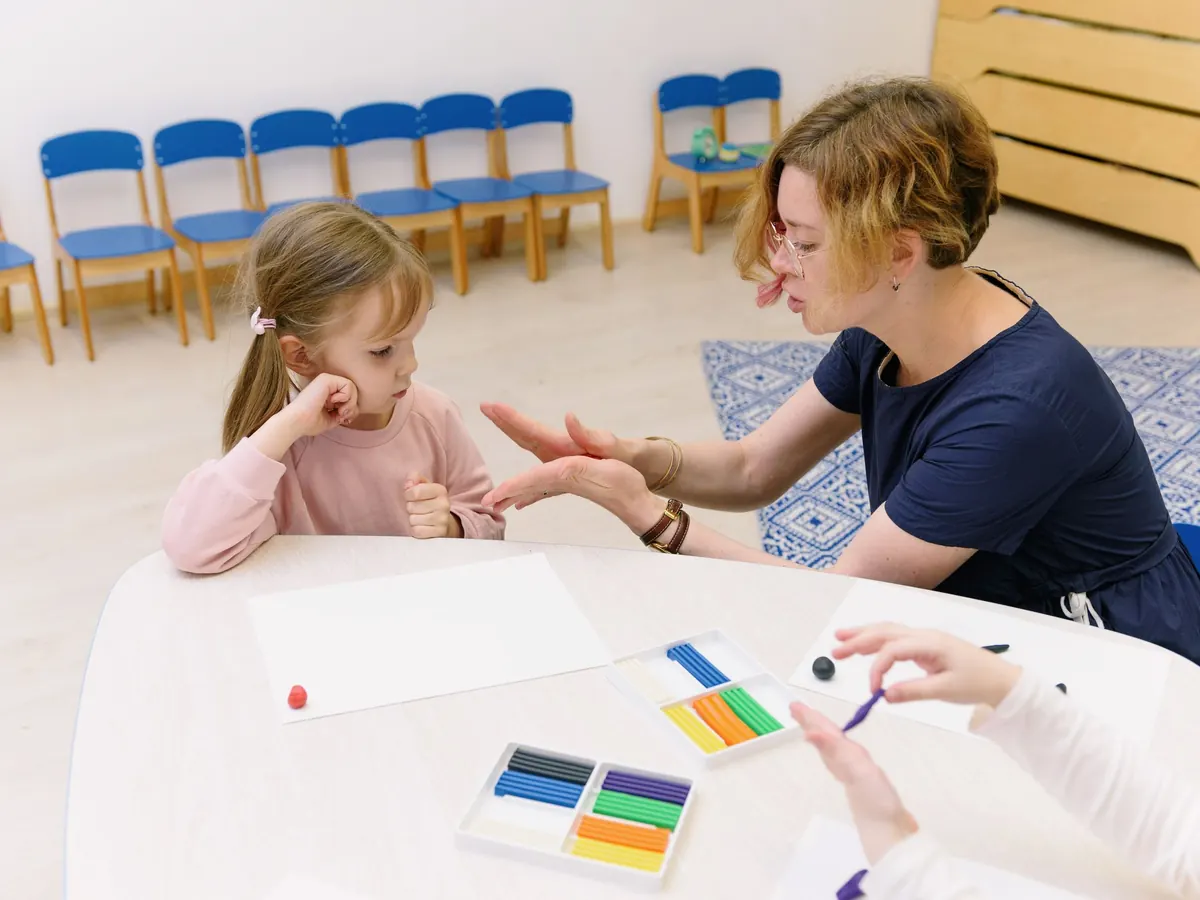
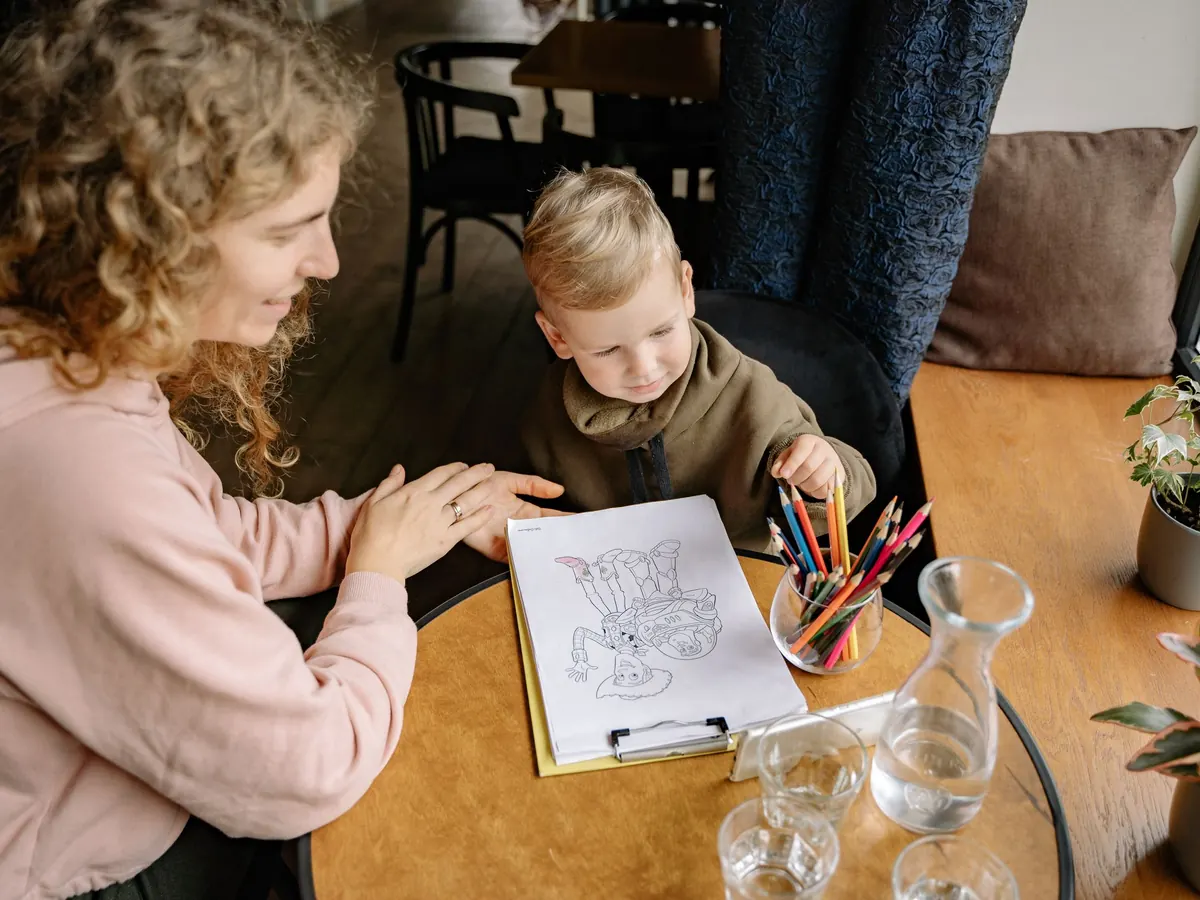
Speaking, understanding what others say, telling what happened, following an instruction or reading aloud are different skills, and a child may struggle with just one of them. Speech therapy identifies which one and works on it through play, routines and age-appropriate materials.
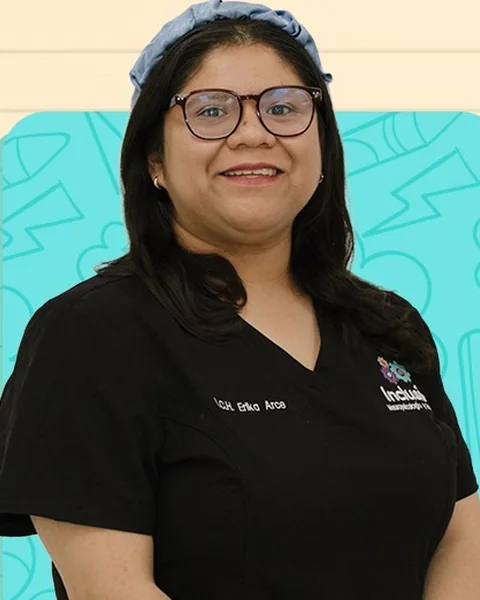
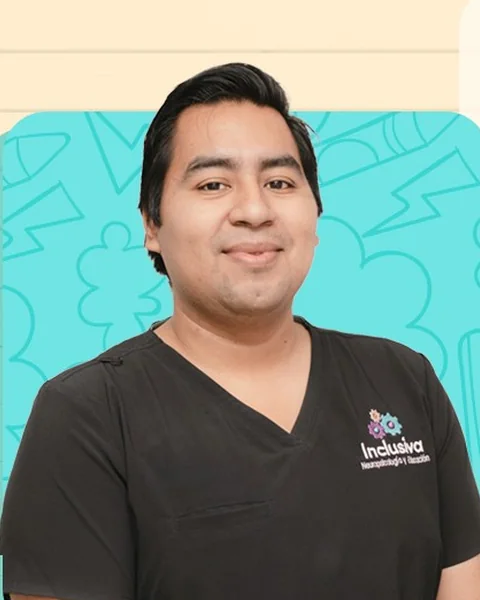
It is delivered by graduates in Human Communication and in Special Education specializing in hearing and language. Beyond speech and language, the team works on voice, swallowing and cognitive rehabilitation, and holds certification in electrical stimulation for dysphagia.
We measure comprehension, expression, articulation, voice and social language to pinpoint the difficulty.
We set concrete goals—for example, asking for things with three-word phrases—and how we will measure them.
We work with play, stories, picture cards and routines, at the child’s pace.
You get activities for home, and we guide teachers so practice continues outside the therapy room.
Graduates in Human Communication, Special Education and Occupational Therapy, with more than 10 years of experience with children.
“They’ll talk eventually,” people say. Sometimes that’s true, and sometimes waiting loses precious time.
Read the guideIf there are no words at 18 months, no two-word phrases at 2 years, or others can’t understand them at 3, an assessment is a good idea. Early help is always better than waiting.
It depends on the difficulty and the child’s age. After the assessment we give you a plan with goals and review progress with you regularly.
Yes. Practice at home makes the difference, so at the end of each stage we explain what to do and how.
Getting dressed, eating, holding a pencil, coping with noise or textures, playing with others: occupational therapy…
Learn more
Difficult behavior almost always communicates something. We find what triggers it and teach the child—and the adults…
Learn more
When reading, writing or math is much harder than expected, it isn’t laziness.
Learn moreCall us, send a WhatsApp message or leave your details: we’ll get back to you to book and answer your questions.