Social skills: getting along can be learned
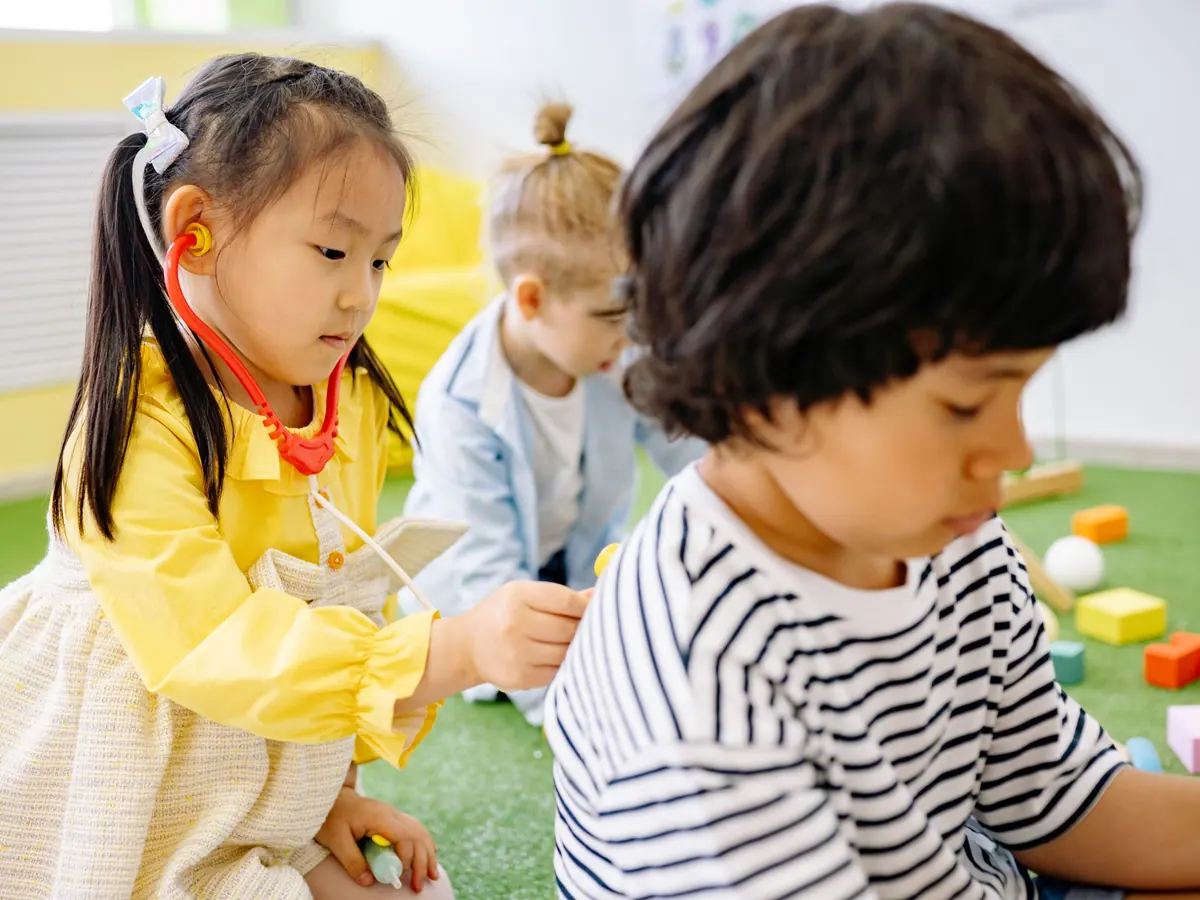
Saying hello, joining a game, sharing, losing without getting angry or asking for help. We teach these skills step by step, in small groups with real practice.
How we help
Social and adaptive skills let children relate to others and adapt to their environment: reading other people’s emotions, taking turns, resolving a disagreement, following game rules or asking for what they need. Some children pick them up on their own; others need them taught explicitly.
We work in individual sessions and in small groups where children practice with peers, guided by a therapist. What they learn is carried over to recess, home and parties with support from the family and the school.
It can help if your child…
- Children who struggle to make or keep friends
- Trouble taking turns or losing a game
- Autistic children or children with ADHD
- Extreme shyness or isolation
- Frequent conflicts at recess
How we work
Observation
We see how the child relates to others in different settings.
Target skills
We choose the skills that will help them most right now.
Guided practice
Games, role play and social stories in a small group.
Generalization
Practice tasks for home, recess and get-togethers.
Autism therapy for children in Tijuana
After the diagnosis, recommendations arrive all at once. This guide sorts out the most common therapies and helps you build a plan that makes sense…
Read the guideCommon questions
Why in a group?
Because getting along is practiced with others. A small group is a safe place to rehearse before taking it to the classroom.
Does my child need a diagnosis?
Not necessarily. It helps any child with social difficulties; if we see signs of something more, we’ll recommend an evaluation.
What ages do you work with?
We group children by age and skill level, from preschool to teens.
You may also be interested in
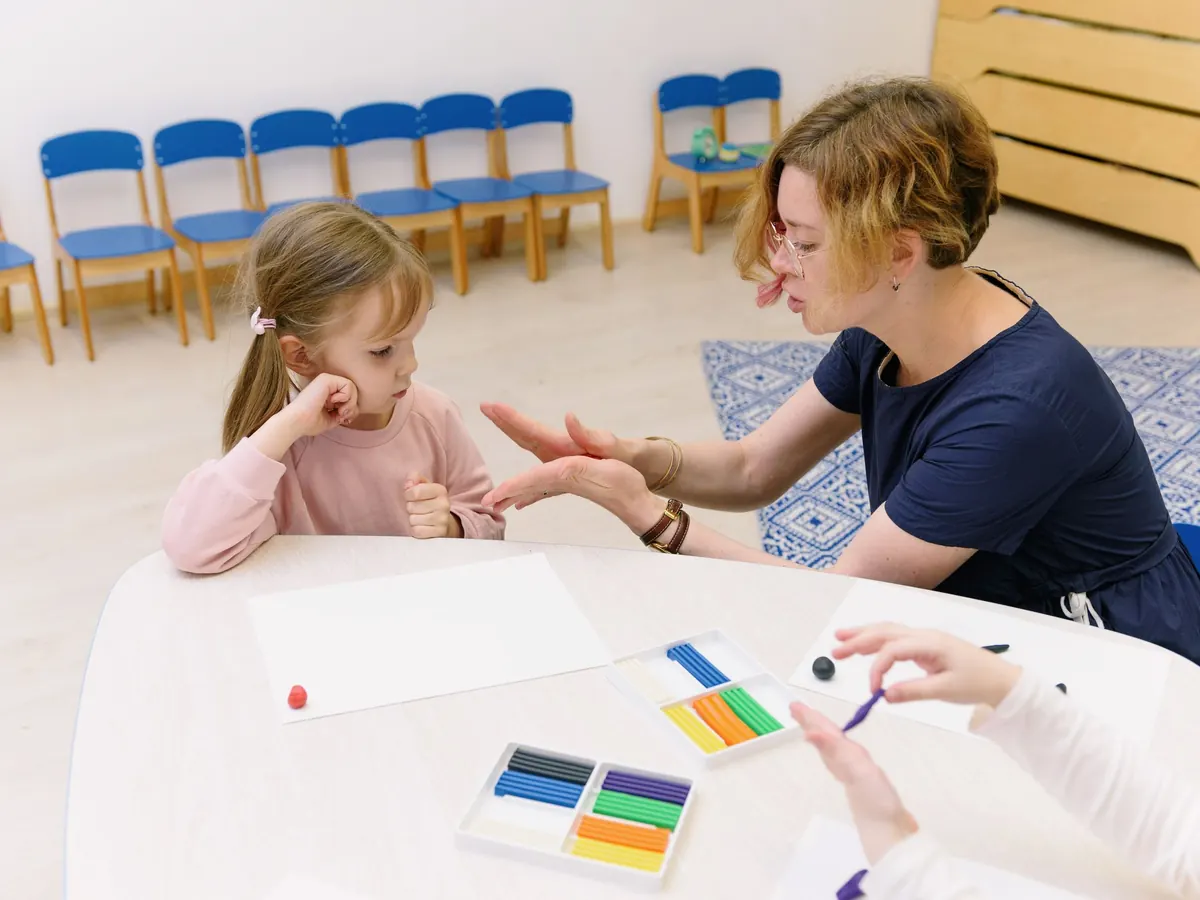
Speech and language therapy
Our speech-language therapists work on speech, language and learning difficulties so every child can express…
Learn more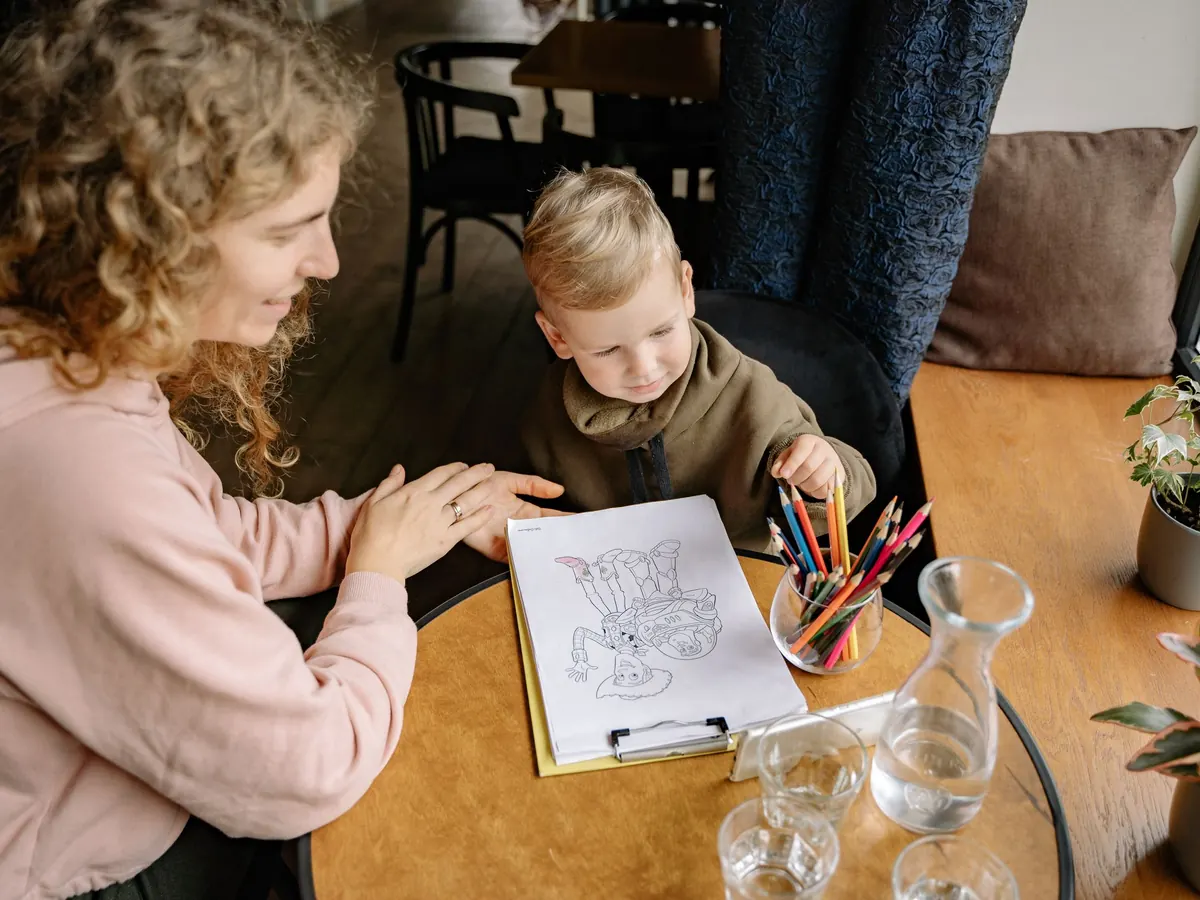
Occupational therapy
Getting dressed, eating, holding a pencil, coping with noise or textures, playing with others: occupational therapy…
Learn more
Behavioral therapy
Difficult behavior almost always communicates something. We find what triggers it and teach the child—and the adults…
Learn moreBook an assessment or a visit
Call us, send a WhatsApp message or leave your details: we’ll get back to you to book and answer your questions.
- Phone+52 (664) 210 3920
- WhatsApp · therapy(664) 483 7061
- WhatsApp · school(664) 822 1110