
Sensory processing: do you notice any of these signs in your child?
Little interest in playing with other children, getting frustrated easily or struggling with everyday tasks like dressing or eating may be related to sensory processing or motor development.

Understanding Sensory and motor processing
Every day the brain receives information from touch, movement, balance, sound and sight and organizes it to respond. When that processing doesn’t work well, a child may experience as a threat what others find normal—a clothing tag, the noise at recess—or, the opposite, seek stimulation all the time.
These difficulties often go hand in hand with motor challenges: clumsiness, weak hands, trouble coordinating or planning movements. A timely evaluation helps understand their needs and provide the right support from an early age.
Pediatric occupational therapy in Tijuana
Occupational therapy is often the least understood of children’s therapies.
Read the guideSigns worth watching for
None on its own is a diagnosis. If you recognize several and they persist, book an assessment.
- Little interest in, or avoids, playing with other children
- Gets frustrated easily
- Struggles with everyday tasks like dressing or eating
- Rejects textures, clothing, noises or haircuts
- Seeks constant movement, bumps into things or falls often
- Trouble holding a pencil, cutting or buttoning
A tailored plan
Our occupational therapists, trained in sensory integration, assess the sensory and motor profile and design a plan with play, obstacle courses and daily living activities. You get a “sensory diet” with routines for home and tips for the classroom.
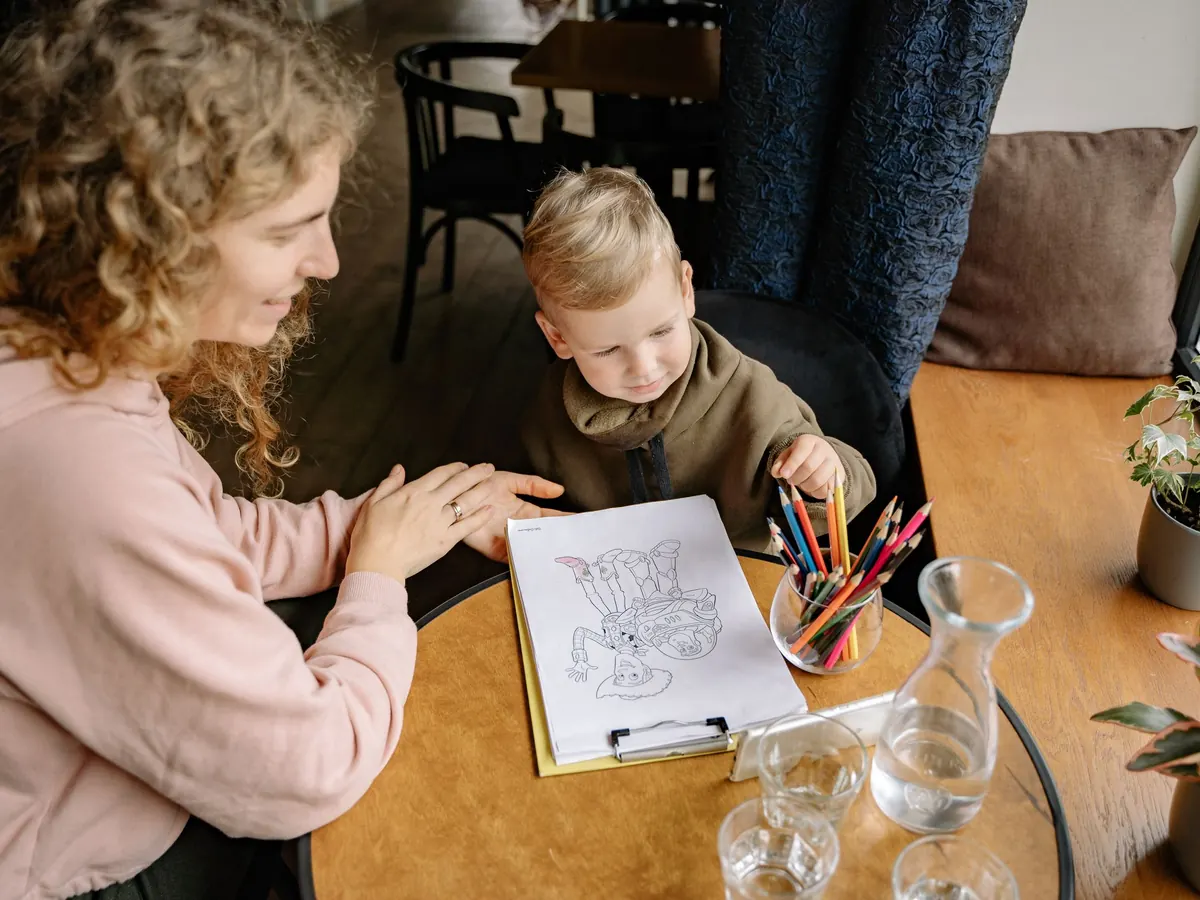
Occupational therapy
Getting dressed, eating, holding a pencil, coping with noise or textures, playing with others: occupational therapy…
Learn more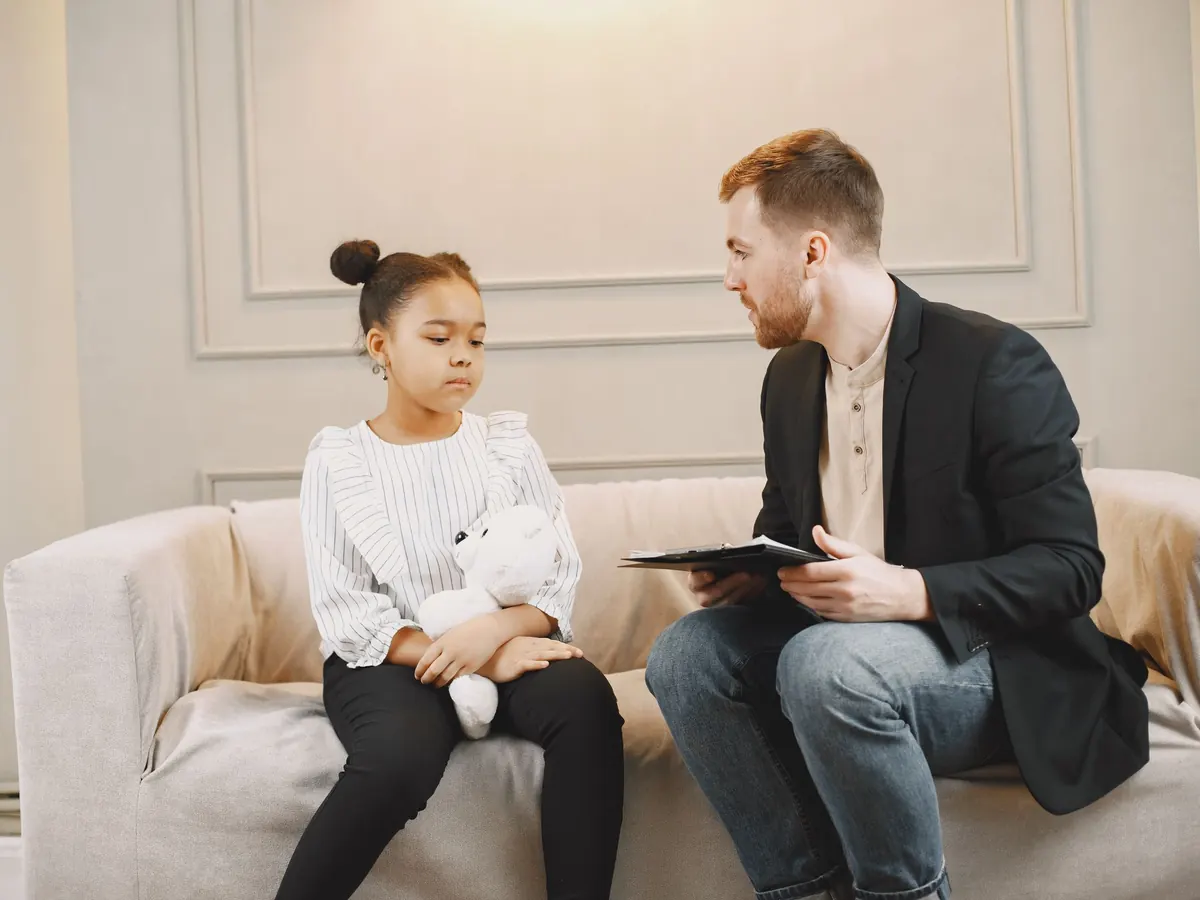
Child neuropsychological evaluation
Before any therapy, you need to know what is going on. We do a complete assessment—with the family, the school and your…
Learn more
Social skills therapy
Saying hello, joining a game, sharing, losing without getting angry or asking for help.
Learn moreThe information on this page is for guidance and does not replace a professional assessment. Every child is different: diagnosis and plan are defined after an evaluation.
Questions about Sensory and motor processing
Is sensory processing a diagnosis?
It’s a set of difficulties described after an occupational therapy evaluation. Sometimes it appears on its own and sometimes alongside autism, ADHD or other conditions.
Is my child just very sensitive?
Some children are more sensitive without it causing problems. The red flag is when it interferes with eating, dressing, sleeping, learning or socializing.
From what age do you work with children?
From a very young age. The earlier it’s detected, the easier it is for the child to develop their own strategies.
We also work with
ADHD
- Easily distracted, doesn’t finish what they start
- Loses supplies, forgets homework and instructions
- Struggles to wait their turn and interrupts
Autism (ASD)
- Doesn’t respond to their name or makes little eye contact
- Talks little, repeats phrases or lost words they used to say
- Prefers to play alone or lines up objects
Language disorders
- No words at 18 months
- No two-word phrases at 2 years
- Others can’t understand them at 3
Book an assessment or a visit
Call us, send a WhatsApp message or leave your details: we’ll get back to you to book and answer your questions.
- Phone+52 (664) 210 3920
- WhatsApp · therapy(664) 483 7061
- WhatsApp · school(664) 822 1110