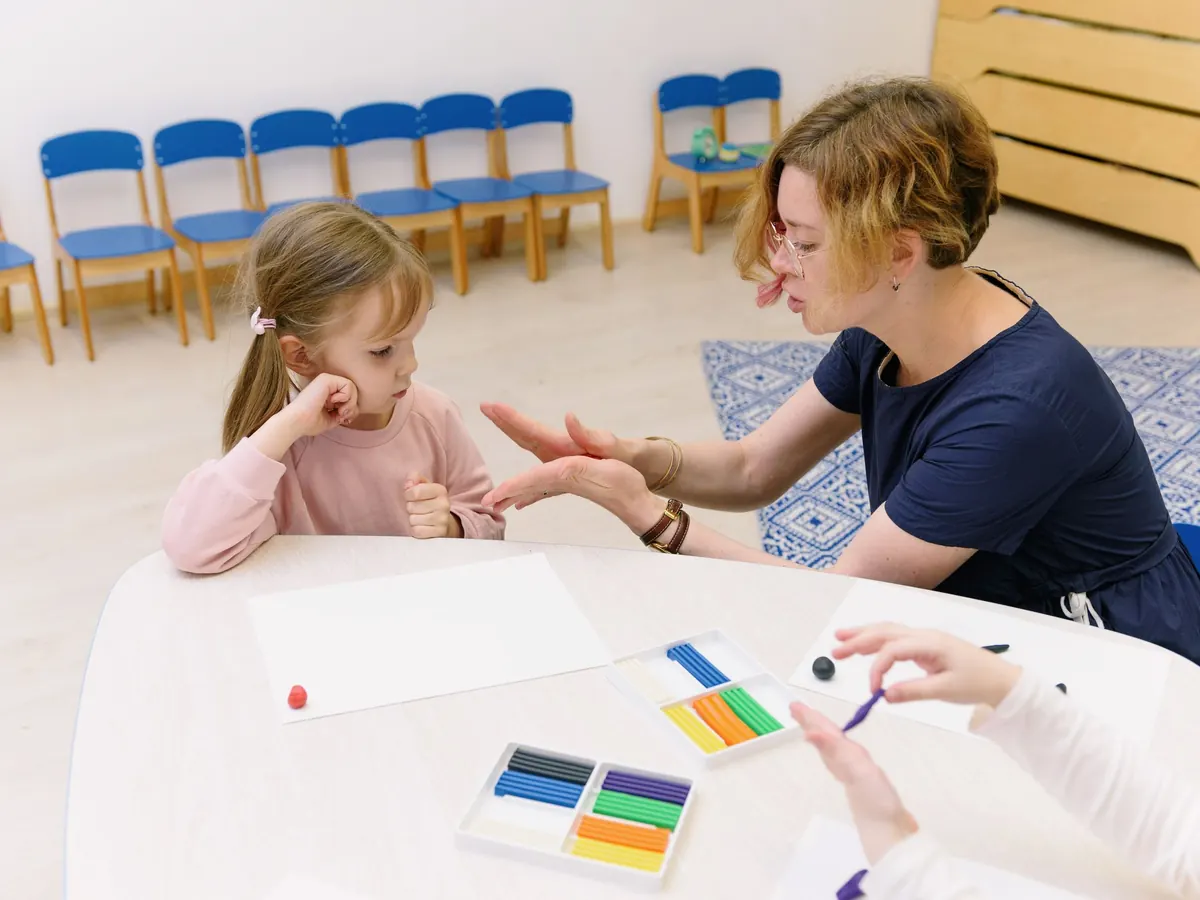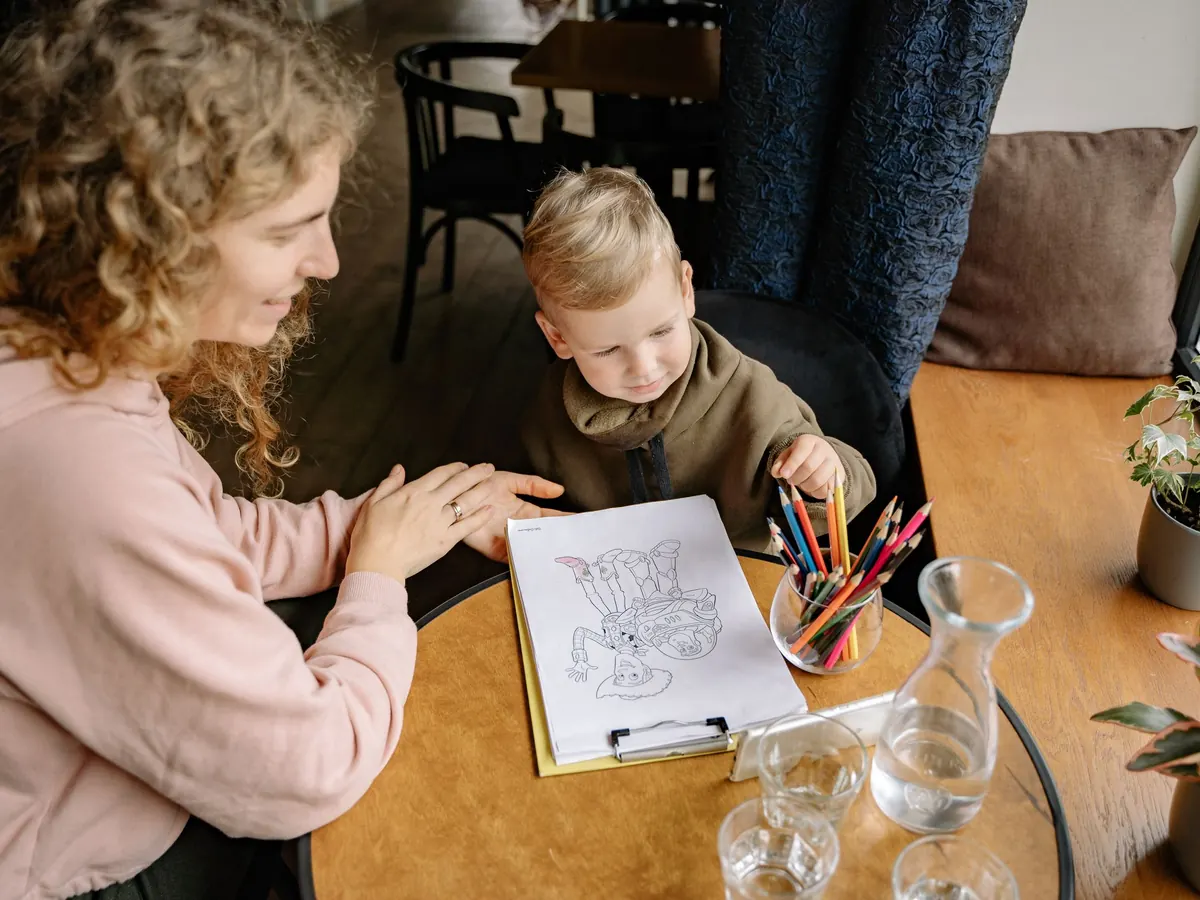

There’s no single therapy for autism. What works is a plan based on each child’s evaluation, combining the areas they need and reviewed with the family.
The areas most often addressed
- Communication: speech therapy, including visual-support systems when the child doesn’t speak yet.
- Sensory processing and independence: occupational therapy with a sensory integration approach.
- Social skills: small groups to practice play, turn-taking and emotions.
- Behavior: strategies to anticipate change, reduce meltdowns and teach alternatives.
- Learning: supports and accommodations for school.
What to ask before choosing a program
- Was my child evaluated before the plan was proposed?
- What are the goals for the next few months?
- How will I take part?
- Do the therapists coordinate with each other and with the school?
- Do they respect my child’s interests and well-being?
School
Many children on the spectrum attend regular schools with accommodations. Look for a school willing to take guidance, make adjustments and talk with therapists. In our school, classroom and therapy share a building.
Take care of the family
The diagnosis affects parents and siblings too. Seeking information, support and time to rest is part of the plan.
The information on this page is for guidance and does not replace a professional assessment. Every child is different: diagnosis and plan are defined after an evaluation.