Our mission starts with one sentence: stimulate the formation of new cognitive pathways through neuroplasticity. What does that mean in plain words?
The brain changes with experience
Neuroplasticity is the brain’s ability to reorganize itself: strengthening connections that get used, weakening those that don’t and building new pathways when it learns something. It happens throughout life, but it’s especially intense in childhood.
Why early intervention pays off
In the early years the brain builds connections at a speed never repeated. If a child has difficulty with language, attention or motor skills, working on it early makes the most of that window. It doesn’t mean it’s “too late” afterward: it means it’s easier sooner.
How therapy uses it
- Meaningful repetition: practicing a skill many times, in different contexts.
- Graded difficulty: not so easy it bores, not so hard it frustrates.
- Play and emotion: the brain learns best when it’s interested.
- Transfer: carrying what’s learned to home and school.
What you can do at home
- Read together every day.
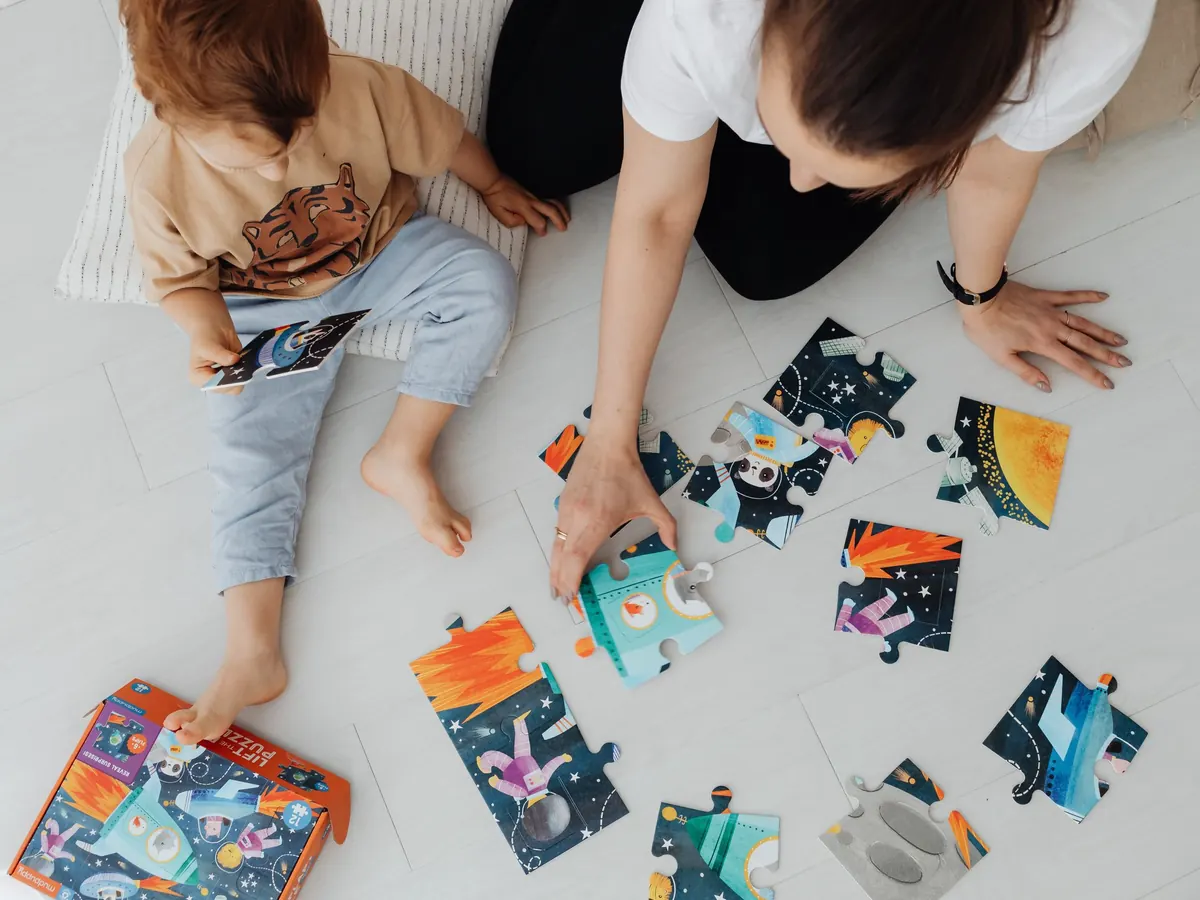
- Board games that require waiting, remembering and planning.
- Movement: climbing, jumping, dancing.
- Good sleep: the brain consolidates learning while sleeping.
- Praise effort, not just results.
The information on this page is for guidance and does not replace a professional assessment. Every child is different: diagnosis and plan are defined after an evaluation.